

2027 Silverado Coming to Denver Soon
Rumors, Specs, Timeline, and What’s Next
If you’re watching the next full redesign, you’re not alone: Colorado truck shoppers want credible details, clear expectations, and a dealership that won’t waste their time. This page breaks down what’s publicly visible so far, what’s still rumor, and what to look for as the next-generation half-ton takes shape for Denver, Lakewood, and the Front Range.
The next 2027 Silverado is widely expected to be a full redesign with a visibly new exterior, a major cabin tech update, and an evolved engine lineup—while keeping the core half-ton mission: towing, payload, and daily drivability. Most reports point to an official reveal later in 2026 with early availability around late 2026 into 2027. If you’re near Denver or Lakewood, the smartest move is to set expectations early: what’s confirmed vs. rumor, and how to time your purchase.
What we know so far (and how to judge rumors)
For a new-generation truck, the most trustworthy early signals usually come from: prototype sightings, patent-style images, supplier chatter, and repeatable patterns in GM’s product cycles. That still doesn’t mean every “leak” is real. Your best filter is to ask: does the claim align with what engineers must change in a platform redesign—electronics architecture, cabin packaging, cooling, aerodynamics, and crash structure?
The story so far points to a next-gen half-ton that looks meaningfully different from today’s truck, with a more modern, screen-forward interior and incremental powertrain evolution rather than a total reset. When you see headlines about the 2027 Silverado price or “all-new engines,” treat them as working estimates until Chevrolet publishes specs and order guides.
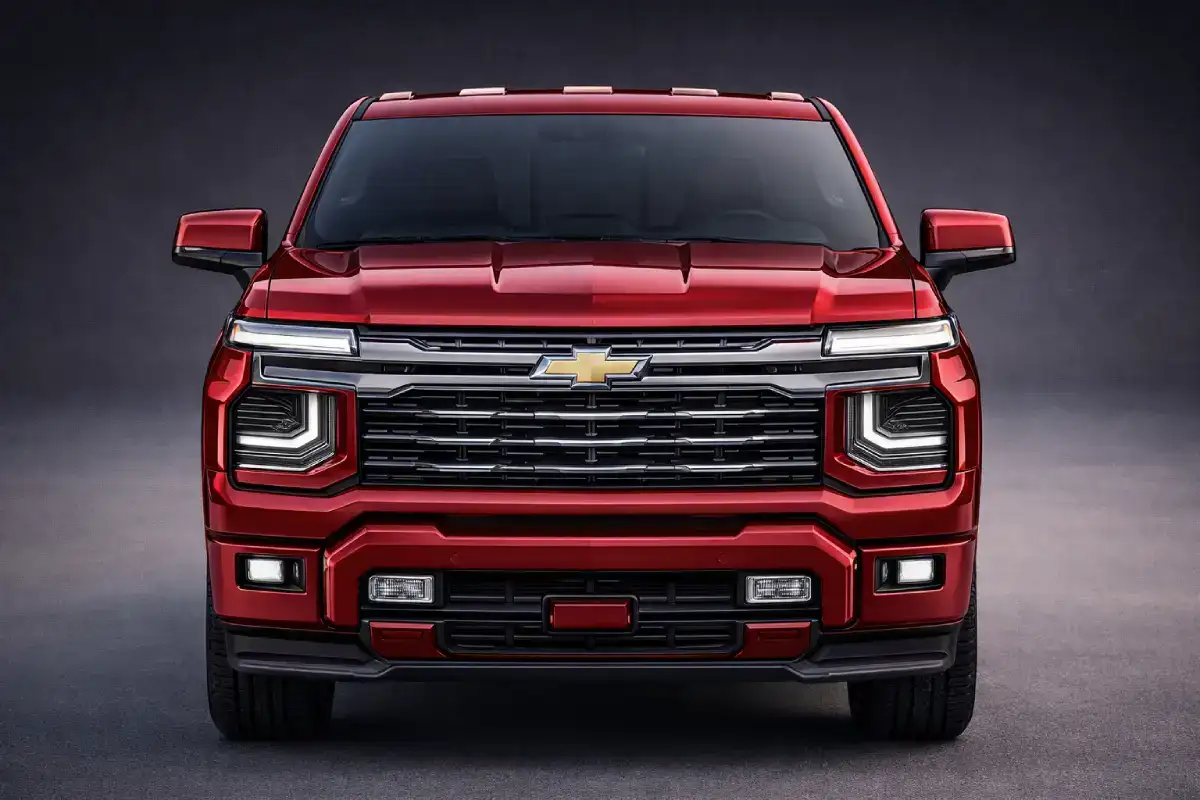
Expected exterior changes: what to look for
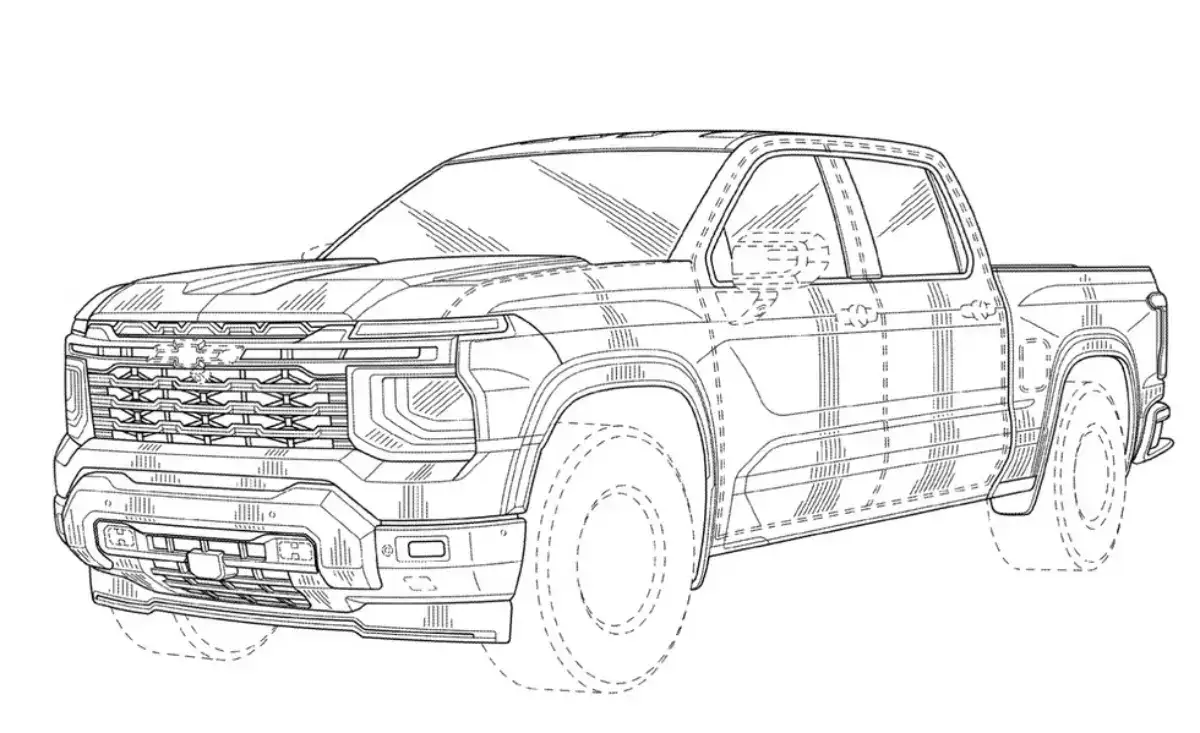
Early imagery suggests a more squared, modern front end with a new headlamp layout and bolder grille theme—closer to Chevrolet’s recent truck and SUV design language. Even if the overall silhouette remains “classic Silverado,” a redesign typically targets airflow, cooling efficiency, and front-end packaging for new electronics and safety systems.
- Improved aero can translate to better highway efficiency on I-70 and smoother towing stability in wind.
- Lighting upgrades usually improve visibility in snow, dust, and night mountain driving.
- Small bed and tailgate refinements often matter more than styling—especially for jobsite use around Lakewood and Denver.
Don’t over-index on grille shapes. The big question is whether the redesign improves the “everyday truck” basics: visibility, step-in height, mirror coverage, bed access, and real-world durability for Colorado conditions.
Interior & infotainment: the biggest expected leap
The cabin appears to be the center of the redesign narrative. Recent GM interiors trend toward wide-format displays, a cleaner dashboard layout, more usable storage, and better seat comfort. For truck buyers, the win isn’t just screen size—it’s faster system response, clearer towing camera integration, and an interface that doesn’t bury real controls behind menus.
Tech upgrades that matter (not just “bigger screens”)
- Towing UI improvements: quicker trailer setup, clearer brake controller feedback, and better camera switching.
- Navigation that understands towing: route planning that avoids low clearances and reduces stress when hauling across Denver and Aurora.
- Wireless, durable ergonomics: better phone placement, charging, and glove-friendly controls for winter.
- Smarter driver assistance presentation: alerts that are easier to interpret without distraction.
If you’re shopping the 27 Silverado in Denver because you want “new tech,” focus on the details you’ll touch every day: seat comfort, steering wheel controls, screen glare, HVAC button access, and how towing settings are displayed.
Powertrains: what’s rumored, what’s likely, what’s unknown
Most credible coverage points to the familiar structure continuing—turbo gas base engine, two V8 options, and an available diesel—while the V8s may shift to new displacements and updated engineering. That typically means better efficiency, emissions compliance, and low-end torque without changing the “truck feel” buyers expect.
- Assuming “bigger displacement” automatically means worse fuel economy (new combustion strategies can change that).
- Comparing peak horsepower instead of torque curve and towing behavior.
- Ignoring transmission tuning, axle ratios, and cooling—those often matter more for real towing in Colorado.
| Powertrain | What it’s best for | What may change in 2027 | What to watch |
|---|---|---|---|
| Turbo gas (base) | Daily driving, strong low-end pull, good value | Likely refinement, calibration updates, and better integration with new electronics | Real towing stability, cooling capacity, and low-RPM torque behavior at altitude |
| V8 (mid) | Traditional truck sound/feel, broad capability | Rumored new displacement and efficiency-focused updates | Payload ratings by cab/bed, axle ratio availability, and towing package differences |
| V8 (max) | Heavy towing, performance trims, confident passing | Potential displacement change and improved thermal management | Fuel economy at altitude, tire size impacts, and towing payload tradeoffs |
| Diesel (optional) | Highway efficiency, long-range towing, low-RPM torque | Likely continuation with updates for the next platform | Availability by trim, emissions system changes, and towing range under load |
Note: final names, outputs, and availability vary by trim and configuration. Treat this table as a “watch list” until Chevrolet releases official order guides.
Capability: towing, payload, and chassis expectations
A platform redesign typically brings structural improvements (stiffness, crash performance, noise control) and electronics improvements (camera bandwidth, controller speed, trailer integration). For buyers in Denver and Lakewood, the “real capability” question isn’t a single max tow number—it’s whether the configuration you want delivers stable towing, usable payload, and confidence on mountain grades.
Colorado-relevant capability checks
- Cooling strategy: critical for long I-70 climbs with a trailer.
- Brake feel & exhaust braking behavior: matters on steep descents more than brochure horsepower.
- Rear suspension tuning: stability and comfort for daily use around Aurora plus jobsite load support.
- Tire/wheel packages: can change ride quality and towing confidence; big wheels aren’t always better.
Expect Chevrolet to keep multiple “lanes” for capability: value-focused work trucks, daily comfort trims, and off-road oriented setups. The best move is to shop by your use case first, then pick the configuration that meets the numbers.
Trims & packaging: how the redesign may affect ordering
New generations often reshuffle trim features and option bundling. That can be good (more standard safety and tech) or frustrating (favorite features moving into packages). If you’re tracking the 2027 Silverado specs, the key is to follow how trims separate into clear tiers: work-ready, mainstream comfort, and premium/performance.
What to watch as packages evolve
- Which trims keep the best towing tech without forcing luxury upgrades.
- How off-road packages change ride height, shocks, and tire fitment.
- Whether premium audio, leather, and advanced cameras become more “bundled.”
- Availability of bed and tailgate tech across mainstream trims.
Timing, pricing expectations, and what “launch” really means
The biggest buyer frustration is confusing the reveal date with real availability. A reveal is when official specs start to land; availability is when dealers can actually place sold orders and receive trucks. For many redesigns, “launch” happens in waves: early production trims first, then specialty trims and full option availability later.
| Phase | What happens | Buyer impact |
|---|---|---|
| Pre-reveal | Prototypes, rumors, and partial spec hints | Best time to define your configuration and trade strategy |
| Reveal window | Official trims, features, and headline specs | You can compare “new gen” vs. current inventory with real information |
| Early availability | Initial builds arrive; options may be limited | Higher demand; best to be flexible on colors/packages |
| Full lineup | More trims and packages become easier to order | More negotiating leverage and better match to exact needs |
2027 Silverado price: realistic expectations
A full redesign usually nudges base MSRP upward, especially when cabin tech and standard safety content increase. But your real cost depends on trim, drivetrain, towing packages, and cab/bed configuration. If you’re searching for the 2027 Silverado price, plan in ranges and prioritize the features that create value for your work and lifestyle—not the biggest wheel package.
Also remember: early-production trucks often carry tighter supply and fewer incentives. That’s why many Denver-area buyers compare two smart paths: secure a well-equipped current Silverado with strong value today, or wait for the new generation if the interior and design updates are must-haves.
How to track updates and plan your purchase (step-by-step)
Here’s a practical way to stay ahead of shifting information without getting whiplash from rumor cycles. This is especially helpful if you’re balancing a work-truck need with the desire for the latest Chevrolet interior and tech.
- Define your non-negotiables: towing target, payload needs, cab/bed, and whether diesel matters.
- Pick your “timing lane”: buy now for best selection and incentives, or wait for the redesign even if early supply is tighter.
- Build two configurations: one current Silverado, one future spec target. This prevents “analysis paralysis.”
- Watch official milestones: reveal, order guide release, and first dealer allocation windows.
- Plan your trade: if you have a high-demand truck, timing can influence value when Denver inventory shifts.
Why Emich Chevrolet for trucks near Denver & Lakewood
The best truck deal isn’t just a number—it’s the right configuration, a transparent process, and support after the sale. At Emich Chevrolet, we focus on helping you choose the Silverado that matches your real use: commuting around Denver, hauling equipment through Lakewood, or towing up to the mountains on weekends.
What “best place to buy” looks like in real life
- Configuration clarity: we break down cab/bed, axle ratios, towing packages, and payload limits so you buy once.
- Transparent trade guidance: clear options to compare your timeline if you’re waiting on the redesign.
- Truck-focused product knowledge: we’ll talk torque curves, towing tech, and real Colorado driving—without the fluff.
- Support beyond delivery: your Chevrolet ownership experience depends on service, parts, and straightforward warranty guidance.
- Selection and pricing mindset: the goal is to match the right Silverado to the right budget with minimal back-and-forth.
If you’re searching “2027 Silverado near me,” consider two smart comparisons: (1) the current Silverado 1500 lineup that’s available now, and (2) your target next-gen features that are worth waiting for. Either way, Emich Chevrolet can help you make a confident, informed call.
FAQ: 2027 Silverado rumors, specs, and availability
Key takeaways for 2027 Silverado shoppers
- The 2027 Silverado is expected to be a true next-generation redesign with major interior tech upgrades.
- Exterior changes look meaningful, but capability and usability will matter most for Denver and Lakewood driving.
- Powertrain rumors point to an evolved lineup; focus on torque curve, towing behavior, and cooling, not just peak hp.
- Availability usually happens in phases—early builds first, then wider trims and packages later.
- If you care about value, compare a well-equipped current Silverado to your future feature must-haves.
- Emich Chevrolet helps you choose the right configuration with clarity on towing, payload, and real Colorado needs.
Want the newest design the moment it becomes orderable? Or want the best value on a current Silverado while the redesign ramps up? Either way, you’ll make a better decision with a clear configuration plan and a truck-first buying process.