

2026 Colorado vs Ranger vs Tacoma
Best MidSize Truck Comparison
If you’re shopping midsize trucks in Denver or Lakewood, the decision usually comes down to three names: the 2026 Chevrolet Colorado, Ford Ranger, and Toyota Tacoma. This page is a technical, daily-use focused Truck Comparison—powertrains, trims, towing, ride comfort, and the small details that matter when you’re commuting at altitude, towing on I-70, or heading into the mountains.
For many buyers, the 2026 Colorado is the “easy math” pick because it delivers 310 hp and 430 lb-ft of torque as standard equipment and reaches a 7,700-lb max tow rating when properly equipped—numbers that beat Ranger and Tacoma’s top towing ratings. If you prioritize a hybrid option or a manual transmission, Tacoma is the outlier; if you want a high-speed desert runner from the factory, Ranger Raptor is the specialty play.
At-a-glance: the specs that decide 80% of purchases
Most “Best truck for Denver” decisions come down to (1) torque delivery at altitude, (2) towing confidence on grades, (3) ride/comfort for daily use, and (4) off-road hardware that matches how you actually drive. Here are the load-bearing spec pillars, using manufacturer and widely cited reference specs.
| Category | 2026 Chevrolet Colorado | 2026 Ford Ranger | 2026 Toyota Tacoma |
|---|---|---|---|
| Standard torque availability | 430 lb-ft standard across trims (2.7L TurboMax) | 310 lb-ft standard (2.3L); higher torque requires V6 or Raptor | Most trims 317 lb-ft (i-FORCE 2.4T); 465 lb-ft with i-FORCE MAX hybrid |
| Max towing (properly equipped) | Up to 7,700 lb | Up to 7,500 lb | Up to 6,500 lb |
| Engine strategy | One powertrain calibrated for work + play (simplifies trim shopping) | Multiple engines: 2.3 I-4, 2.7 V6, 3.0 V6 (Raptor) | Turbo 2.4 + optional hybrid; some trims offer manual (iMT) |
| Daily-tech baseline | 11.3″ touchscreen w/ Google built-in; 11″ driver display | Modern infotainment; towing guide and packages available | Strong trim spread; hybrid/overland trims expand use cases |
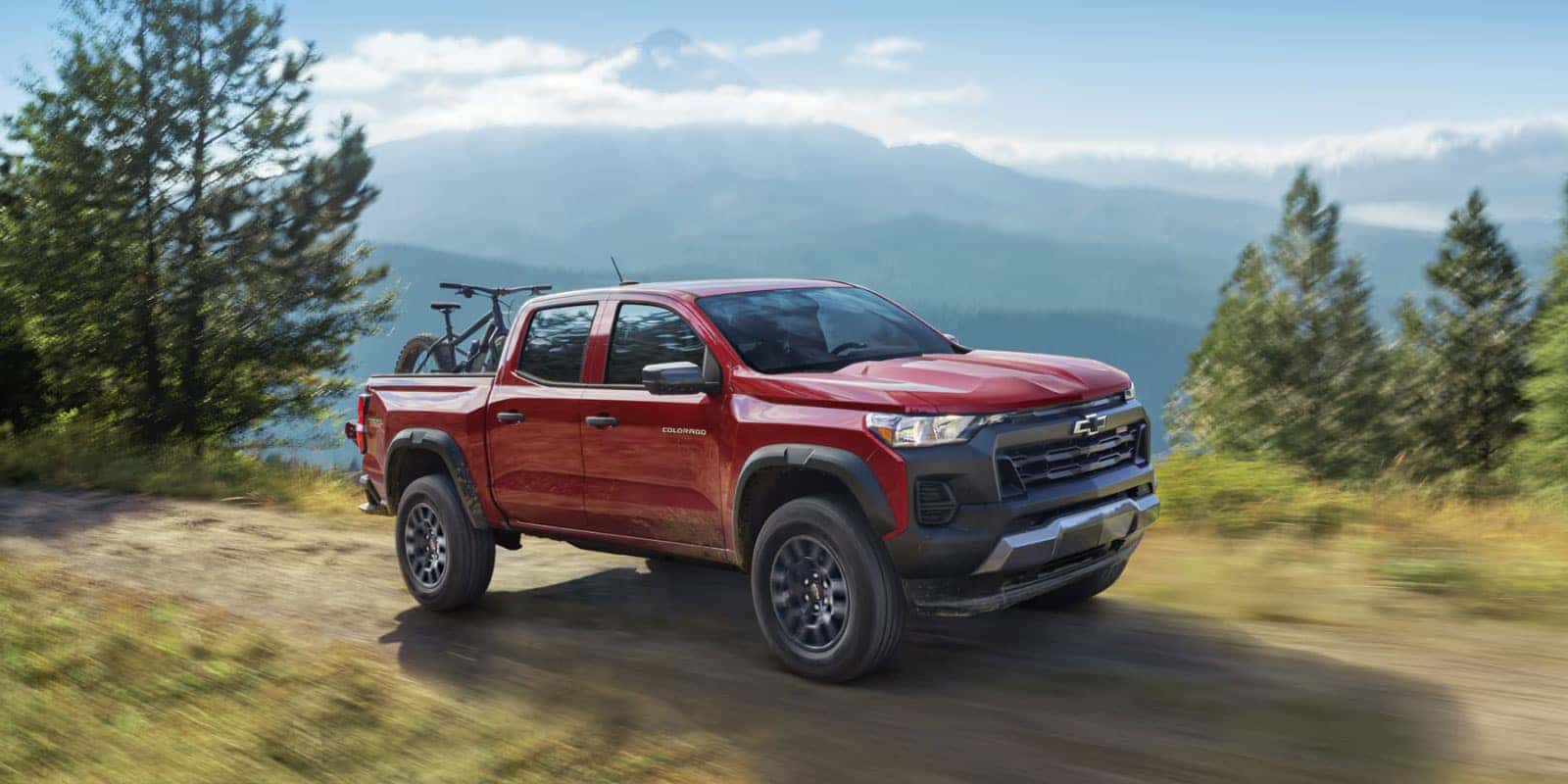
Performance & drivetrains: what changes at altitude in Denver
In a Denver Truck Comparison, turbocharging matters because it helps maintain usable power as elevation climbs. All three trucks lean on forced induction in some form, but they deliver torque differently—especially when you’re merging on C-470, passing on I-70, or pulling a trailer up Floyd Hill.
Colorado powertrain (single-engine strategy)
- 2.7L TurboMax standard: 310 hp and 430 lb-ft gives the Colorado a strong “low-and-mid” torque curve feel—useful for city starts, towing launches, and short highway passes.
- Calibrated consistency across trims: The performance delta between trims is mostly tires, suspension, gearing/drive modes, and underbody hardware—not “did you buy the right engine?”
- 8-speed automatic: predictable shift logic for mixed-use driving (commute + weekend) and steady grade pulls.
Ranger powertrains (choose your urgency)
- 2.3L EcoBoost: solid daily driver output; best if you want a simpler build and lower entry price.
- Available 2.7L EcoBoost V6: more “effortless” towing feel and passing power, especially on long grades.
- Ranger Raptor 3.0L V6: a specialty off-road setup with big power and unique suspension; towing rating is lower than non-Raptor configurations.
Tacoma powertrains (turbo + optional hybrid torque)
- i-FORCE 2.4L turbo: strong mainstream option; available across a broad trim mix.
- i-FORCE MAX hybrid: the torque king on paper (465 lb-ft) and can feel especially strong at low speeds—useful for steep trail starts and towing launches.
- Manual availability (some trims): a niche advantage if you value engagement over pure towing optimization.
- Comparing max tow ratings without matching cab/bed/drivetrain and tow package requirements.
- Ignoring how often you’ll drive unloaded—some off-road tires and lifts trade road quietness for trail grip.
- Assuming “more torque” always means “better towing” without checking cooling, gearing, and stability features.
- Not budgeting for Colorado winter realities: tires, recovery points, and traction aids matter as much as horsepower.
Where Colorado beats Ranger and Tacoma (core metrics)
This “spreadsheet-style” table focuses on the areas most buyers care about in real daily use and weekend towing—especially around Denver and Lakewood.
| Colorado advantage area | Why it matters for performance + daily use | Colorado (2026) | Ranger (2026) | Tacoma (2026) |
|---|---|---|---|---|
| Max towing ceiling | More margin for boats, campers, and work trailers; less “am I at the limit?” stress on Colorado grades. | Up to 7,700 lb | Up to 7,500 lb | Up to 6,500 lb |
| Standard torque for all trims | Strong “every-trim” towing feel; no need to upgrade engines just to get usable grunt. | 430 lb-ft standard | 310 lb-ft standard (higher requires V6/Raptor) | 317 lb-ft common; 465 lb-ft hybrid optional |
| Simpler build decisions | Reduces “option regret”: pick trim for capability/comfort without being forced into a specific engine ladder. | One engine strategy | Multiple engines + packages | Turbo vs hybrid + cab/bed choices |
| Towing-focused calibration | Better grade composure when properly equipped; less hunting for gears and less throttle drama. | TurboMax torque supports steady pulls | Excellent with tow package; strongest with V6 | Hybrid helps launches; towing cap lower |
Trim-by-trim: what you actually get (and where it wins)
Shoppers often get stuck on badges instead of hardware. Below is a practical “what it’s for” guide to each lineup—focused on performance, quality, and daily use in Denver/Lakewood conditions.
2026 Chevrolet Colorado trims
2026 Ford Ranger trims
2026 Toyota Tacoma trims
Daily use & quality: comfort, tech, noise, and “easy living”
“Quality” isn’t just panel gaps—it’s how the truck behaves when you’re doing normal life in Denver and Lakewood: school runs, jobsite stops, traffic on I-25, and snow days. Here’s the practical breakdown.
Ride & cabin comfort
- Colorado: tends to feel “torquey and calm” at low speeds. Off-road trims can add tire noise; road-oriented trims often feel more commuter-friendly.
- Ranger: broad range depending on trim and packages. The Raptor is impressively controlled for what it is, but it’s still tuned for off-road speed.
- Tacoma: huge trim spread from basic daily use to overland-focused. Hybrid trims can feel especially punchy off the line; tire choice will make or break road quietness.
Tech and towing usability
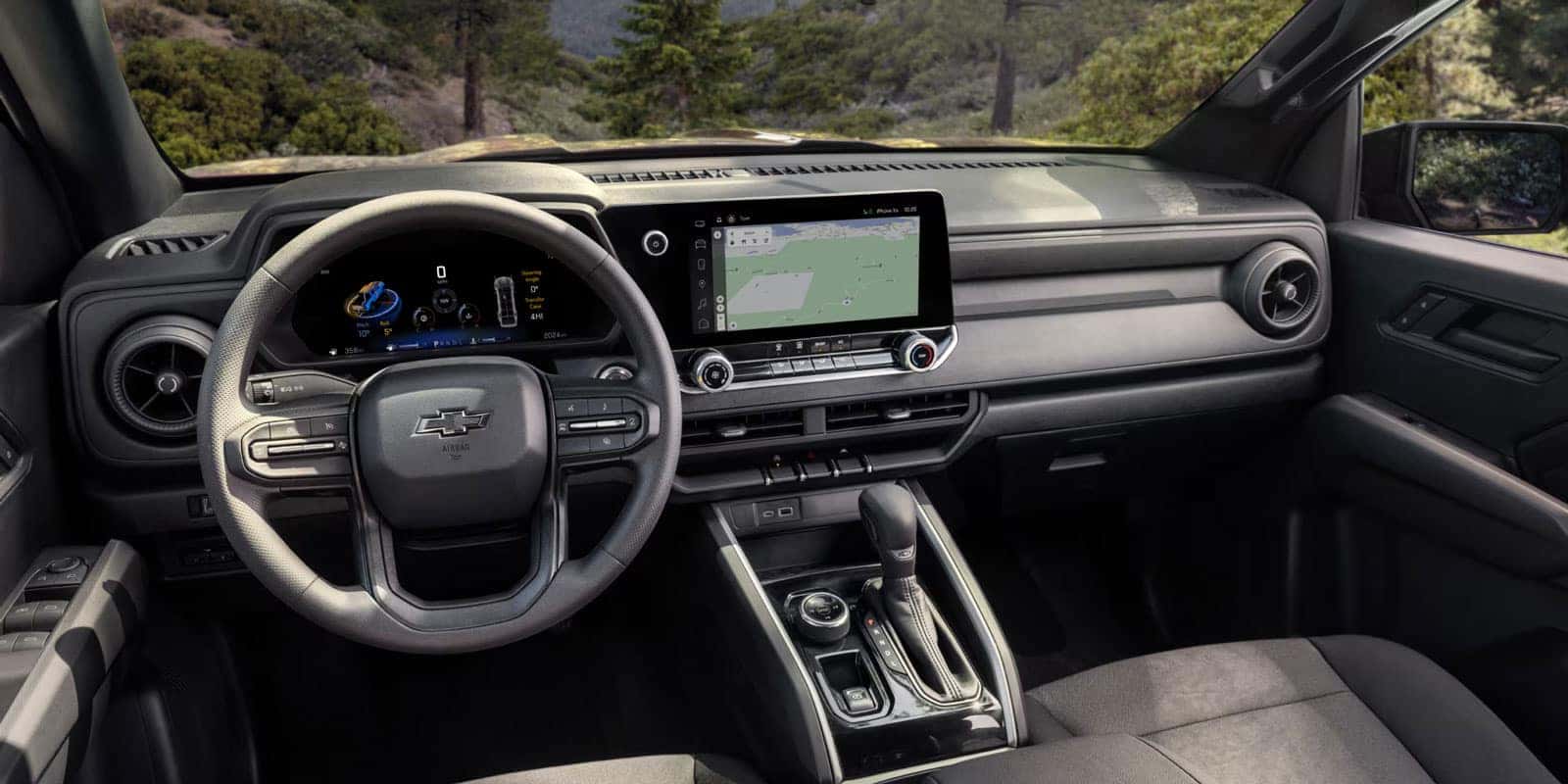
Where the Chevrolet approach often wins is making towing tools and daily interfaces feel integrated rather than “add-on.” For a true Truck Comparison, prioritize: camera visibility, hitch alignment aids, trailer lighting checks, and how quickly you can access towing screens when you’re parked in a Lakewood storage lot.
Colorado “outperforms” moments (real scenarios)
Specs are only useful if they show up in your life. The table below connects Colorado advantages to scenarios that frequently happen around Denver and Lakewood.
| Scenario | What “wins” here | Why Colorado often has the edge | What to watch on Ranger/Tacoma |
|---|---|---|---|
| Towing a camper from Lakewood to Eisenhower Tunnel | Torque + cooling confidence | 430 lb-ft standard torque and class-leading max tow rating add margin for grades. | Ranger base torque is lower; Tacoma max tow is lower—validate your trailer weight and configuration carefully. |
| Daily commute + short highway merges in Denver | Low-speed response | Strong low-end pull means less throttle to “get moving,” which feels relaxed in stop-and-go. | Tacoma hybrid can feel very quick; Ranger V6 also strong—compare price and what you’re actually gaining. |
| Buying the “right” setup quickly | Less config complexity | One engine across trims reduces the chance you leave capability on the table. | Ranger and Tacoma can require more careful matching of engine/trim/cab/bed to your goal. |
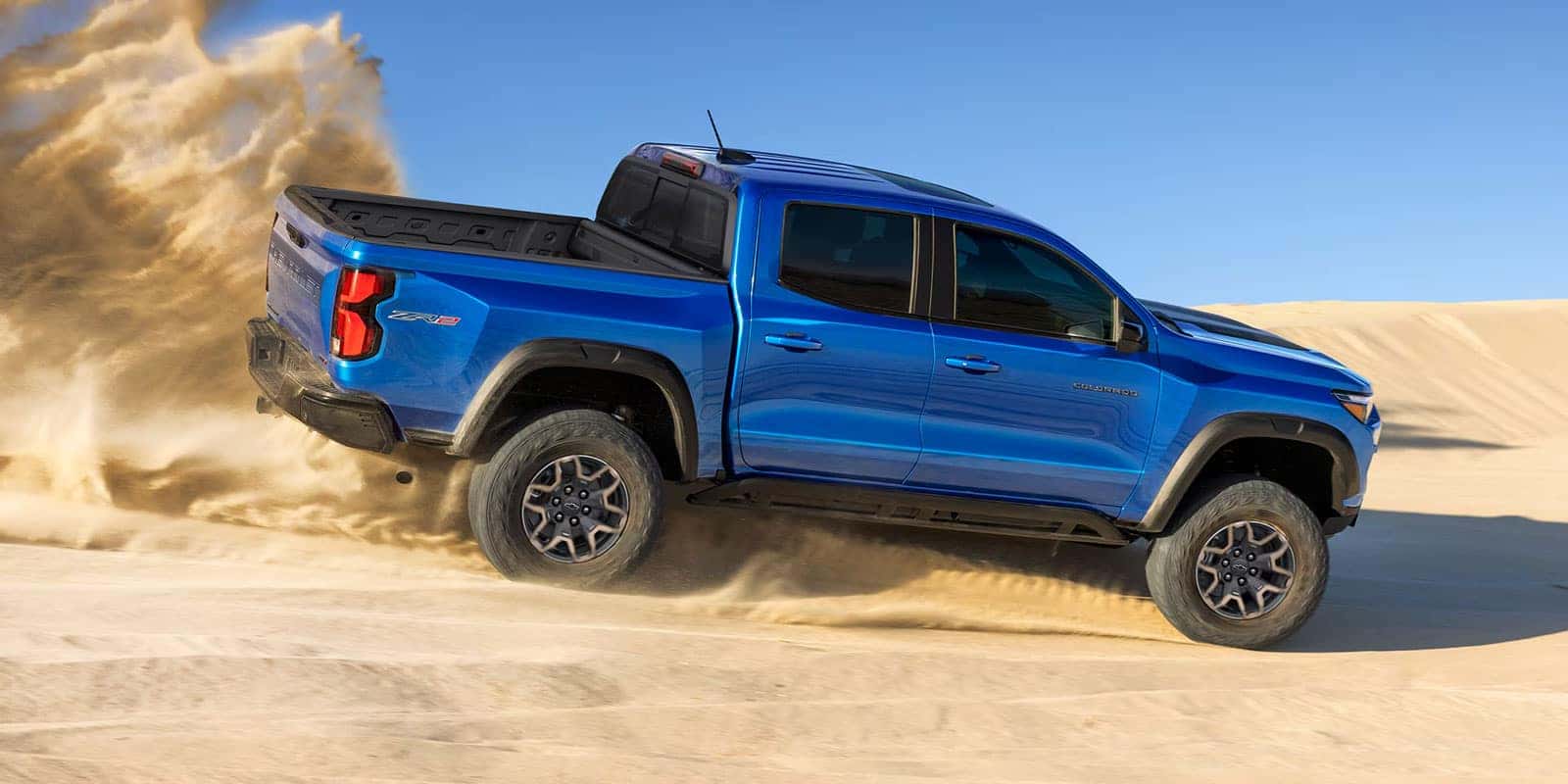
| Weekend trail access roads outside Denver | Off-road hardware for your use | Trail Boss/Z71 offer practical trail readiness; ZR2 pushes into serious off-road territory. | Tacoma TRD trims are strong; Ranger FX4/Raptor are strong—tire choice impacts winter daily comfort. |
How to choose the right configuration (a simple process)
Use this step-by-step approach for a clean, defensible “Colroado vs Ranger vs Tacoma” decision—especially if you’re trying to avoid buying too much truck or not enough truck for life in Denver.
- Start with towing reality: Write down your heaviest realistic trailer (loaded). Add a buffer. If you’re near 6,000–6,500 lb, Colorado’s higher max tow rating may matter more than trim aesthetics.
- Decide your “daily tire”: All-terrain tires can be perfect for trailheads but louder on I-25. If you want quiet commuting in Lakewood, don’t accidentally buy a tire package you’ll dislike.
- Pick the off-road ceiling you actually need: Light trails = Trail Boss/Z71 type builds; aggressive trails = ZR2/Pro/Raptor-style hardware. Don’t pay for capability you won’t use.
- Map your tech must-haves: Cameras, towing screens, phone integration, and driver assists. If you’ll tow often, prioritize hitch visibility and trailer-focused features over “nice screens.”
- Finish with the trim that fits your lifestyle: Work, family, adventure, or all three.
Cost, timing, and ownership expectations in Denver & Lakewood
Pricing moves quickly, but you can still plan costs intelligently. For a “Best MIdSize Truck” purchase in Denver/Lakewood, your real cost drivers usually come from: tire replacement (especially all-terrains), fuel economy differences when towing, insurance, and how often you’ll maintain 4WD/off-road components.
- Tires: Off-road tires can cost more and wear faster if you do mostly city miles. Consider a road-focused trim if commuting dominates.
- Towing frequency: If you tow often, choose the setup with the most comfortable grade behavior (cooling + gearing + torque) rather than chasing a single headline number.
- Seasonality: Demand spikes before summer road trips and winter ski season; if you’re shopping timing-sensitive, plan ahead for the trim/bed/cab combo you want.
- Service planning: Turbo trucks reward consistent oil change intervals and quality air filtration—especially if you’re driving dusty trails outside Denver.
Why choose Chevrolet for this comparison (and what to expect)
If you’re comparing Chevy vs Ford vs Toyota, the best shopping experience is the one that makes the trade-offs obvious. A solid Chevrolet truck team should help you test-fit real needs—towing, daily comfort, and winter drivability—so you don’t end up with the wrong configuration for Denver and Lakewood.
- Transparent configuration walkthrough: cab/bed/drivetrain, tow packages, and tire choices explained in plain language.
- Performance matched to routes: how your truck will feel on I-70 grades, Denver traffic, and weekend access roads.
- Sales + service continuity: the same team that helps you buy can help you maintain towing setups and seasonal readiness over time.
FAQ: Colorado vs Ranger vs Tacoma
- Colorado stands out with strong standard torque and a higher max towing ceiling—useful on Denver-area grades.
- Ranger is a flexible platform: pick the engine/trim combo that matches your towing and daily comfort goals.
- Tacoma is the powertrain wild card: hybrid torque and optional manual (on some trims) create unique niches.
- Tire choice is the biggest daily-use swing factor for noise, winter traction, and ride quality in Lakewood and Denver.
- For fair comparisons, match cab/bed/drivetrain and verify tow package requirements—don’t compare headline numbers alone.
- Off-road specialty trims are amazing at their mission but can trade towing capacity and road quietness—choose intentionally.
- Start with your heaviest use case (towing or trail) and work backward into the trim that fits your normal weekdays.