

Chevy Bolt vs Hyundai Kona Electric: Denver Guide
Last updated: June 14, 2026 | Service area: Denver, Lakewood, Aurora, and the Front Range
If you are shopping for an affordable electric vehicle in Denver, the 2027 Chevrolet Bolt EV and the 2026 Hyundai Kona Electric are two of the most-searched options. Both are front-wheel-drive hatchbacks priced in the low $30k range, but the similarities end there. The redesigned Bolt returns with significantly more power, longer range, faster DC charging, and a lower starting price than the downsized Kona Electric. Below is a thorough, spec-by-spec breakdown so you can decide which EV deserves a spot in your garage.
Quick Answer
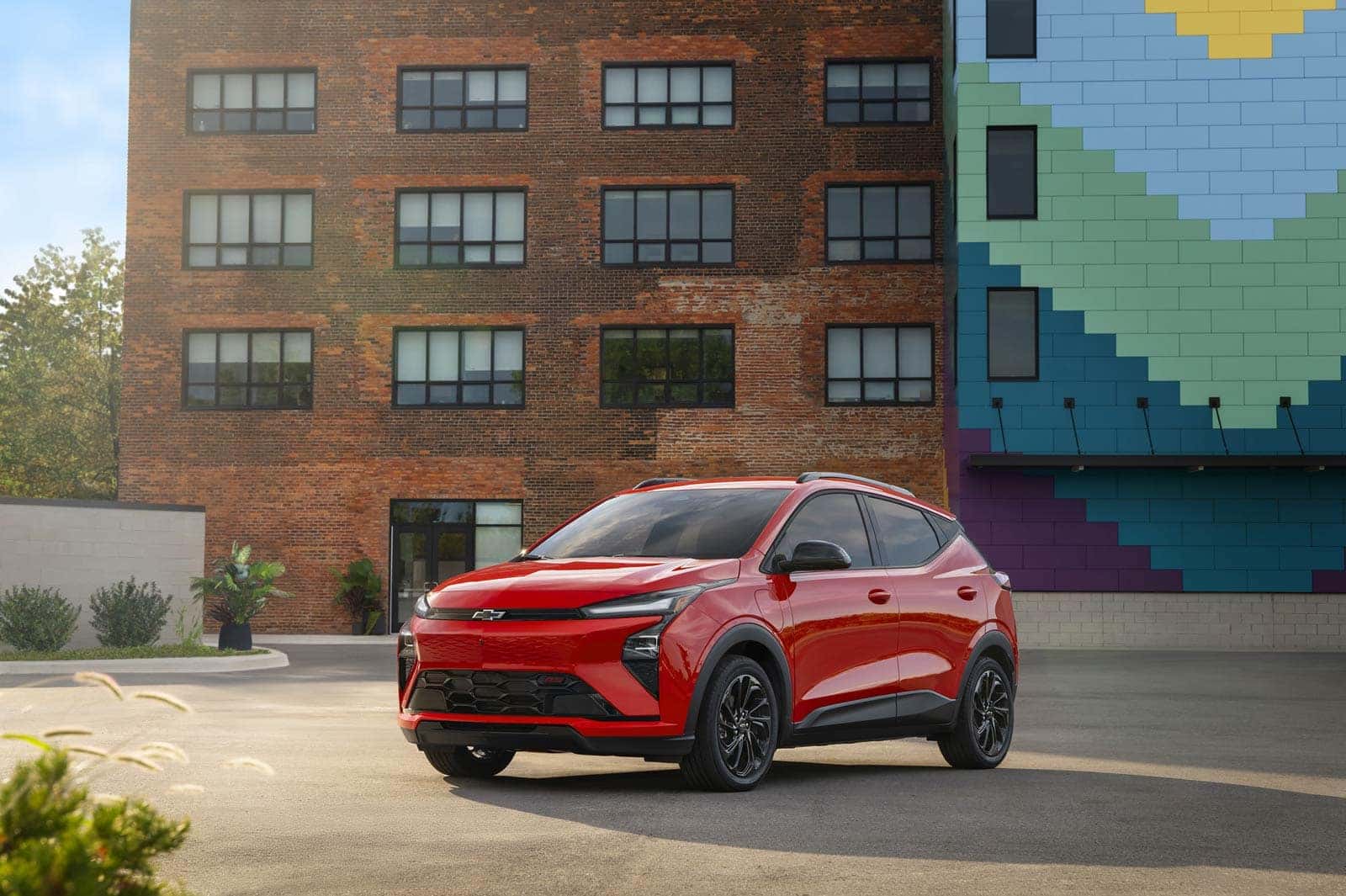
The 2027 Chevy Bolt EV wins this matchup on nearly every front. It starts at $28,995 — roughly $4,000 less than the Kona Electric — while delivering 77 more horsepower, 62 additional miles of EPA range, and 150-kW DC fast charging through a native NACS port. The Kona Electric counters with a longer warranty and slightly more torque, but its 2026 lineup has been reduced to a single, 133-hp trim with just 200 miles of range. For Denver-area buyers, the Bolt is the stronger value.
See the Chevy Bolt in Person at Emich Chevrolet
Top-rated Chevrolet dealer in Denver. Best selection, best pricing, and the area’s most trusted Chevy sales and service team.
2027 Chevy Bolt EV vs. 2026 Hyundai Kona Electric — Key Specs
| Spec | 2027 Chevy Bolt EV | 2026 Hyundai Kona Electric |
|---|---|---|
| Starting MSRP | $28,995 (LT) | ~$32,975 (SE Std Range) |
| Trims Available | LT, RS | SE Standard Range (single trim) |
| Horsepower | 210 hp | 133 hp |
| Torque | 169 lb-ft | 188 lb-ft |
| Drivetrain | FWD | FWD |
| Battery Capacity | 65 kWh | 48.6 kWh |
| EPA Range | 262 miles | 200 miles |
| DC Fast Charging | 150 kW (10–80% in 26 min) | Standard CCS |
| Charge Port | Native NACS | CCS (adapter needed for Tesla network) |
| Battery Warranty | 8 yr / 100,000 mi | 10 yr / 100,000 mi (powertrain) |
Performance and Powertrain
The 2027 Bolt EV’s single electric motor produces 210 horsepower and 169 lb-ft of torque — a major upgrade from the previous generation. That output translates into confident merging on I-25 and responsive passing on mountain two-lanes. The Kona Electric’s 2026 powertrain delivers just 133 hp and 188 lb-ft. While the Kona does hold a 19-lb-ft torque advantage off the line, the Bolt’s 77-hp edge makes a noticeable difference across the full speed range. Both vehicles send power to the front wheels, and both offer one-pedal driving — a welcome feature in stop-and-go traffic along Colorado Boulevard or downtown Denver.
Battery, Range, and Charging
Range anxiety matters in Colorado, where a ski trip to the mountains or a weekend in the Springs can easily cover 150+ miles round-trip. The Bolt’s 65-kWh battery delivers 262 miles of EPA range — enough for a Denver-to-Vail round trip with buffer to spare. The Kona Electric’s smaller 48.6-kWh pack provides 200 miles, which could require a charging stop on longer Front Range drives.
Charging speed widens the gap further. The Bolt supports 150-kW DC fast charging through a native NACS port, refilling from 10 to 80 percent in roughly 26 minutes. The NACS connector also gives you direct access to the Tesla Supercharger network — the largest fast-charging network in North America — without an adapter. The Kona Electric still uses a CCS port, meaning you will need an adapter for Tesla stations and may experience slower peak charge rates.
Interior and Technology
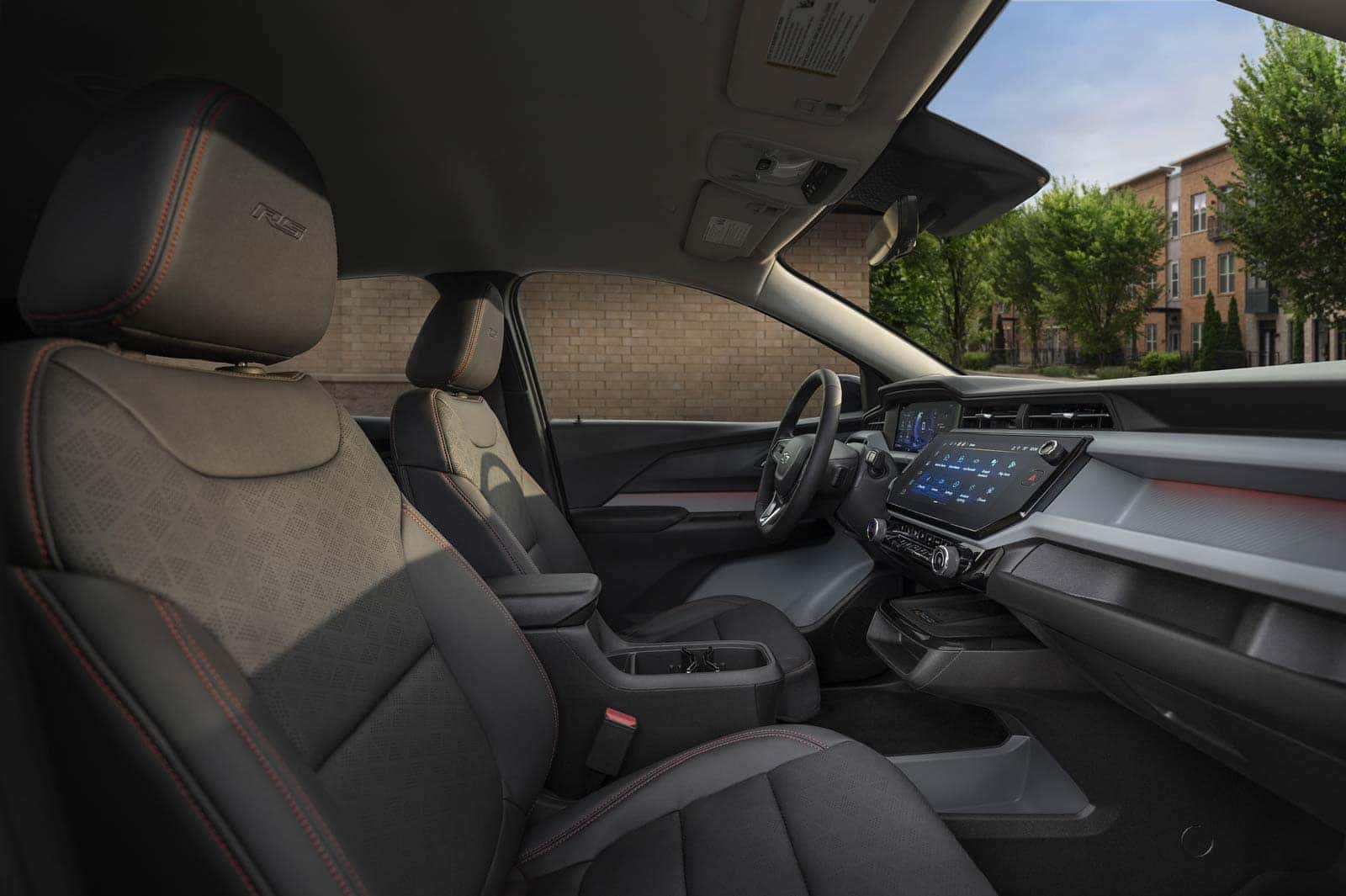
Chevrolet completely redesigned the Bolt’s cabin for 2027. The dashboard centers on a modern digital cockpit with a large infotainment display, wireless Apple CarPlay and Android Auto, and an available heads-up display on the RS trim. Material quality takes a step up as well, with soft-touch surfaces and available red stitching on the RS adding a sportier feel. The Kona Electric’s interior is well-built and offers its own 12.3-inch dual-screen layout, but with only a single trim available for 2026, buyers lose access to the premium upgrades that were previously offered on higher Kona trims.
Safety
Both vehicles come standard with a full suite of active-safety technology. The Bolt includes Chevy Safety Assist — automatic emergency braking, front pedestrian braking, lane-keep assist, lane-departure warning, and a following-distance indicator — at no additional cost on every trim. The RS adds available HD Surround Vision for tighter parking situations. The Kona Electric offers Hyundai SmartSense, which covers similar territory with forward-collision avoidance, blind-spot monitoring, and rear cross-traffic alert. In day-to-day driving around Denver, both lineups will keep you well-protected.
Cargo and Passenger Space
The Bolt EV offers a practical hatchback layout with a flat load floor and fold-flat rear seats, creating a surprisingly generous cargo area for a compact EV. The Kona Electric is classified as a subcompact SUV but rides on a similar footprint, and its cargo volume is competitive. Both vehicles seat five, though rear-seat headroom and legroom favor the Bolt slightly thanks to its taller roofline. For hauling gear to Red Rocks or loading up for a Costco run, either vehicle handles everyday cargo duties well — but the Bolt’s wider opening provides easier access to bulkier items.
Pricing, Value, and Warranty
Value is where the Bolt makes its strongest case. The LT starts at $28,995, roughly $4,000 less than the Kona Electric’s sole remaining trim at approximately $32,975. The sportier Bolt RS at $32,995 matches the Kona’s price while adding cosmetic upgrades and available premium features. Both vehicles may qualify for federal and Colorado state EV incentives, further lowering the effective cost.
Hyundai holds an edge on warranty coverage: 5 years / 60,000 miles basic and 10 years / 100,000 miles powertrain, compared to Chevy’s 3 years / 36,000 miles bumper-to-bumper and 5 years / 60,000 miles powertrain. However, both brands cover the EV battery for 8 to 10 years / 100,000 miles, so the most expensive component is well-protected on either vehicle.
Common Mistakes When Comparing These Two EVs
- Comparing the 2026 Kona Electric to previous years. Hyundai eliminated the long-range, 201-hp option for 2026. The only available Kona Electric trim now makes 133 hp with 200 miles of range — a significant downgrade from the 2025 model.
- Ignoring charging-port compatibility. The Bolt’s native NACS port connects directly to Tesla Superchargers. The Kona Electric’s CCS port requires an adapter, which can add hassle and limit charging speed.
- Focusing only on sticker price. Federal tax credits, Colorado EV incentives, and lower energy costs per mile all factor into true ownership cost. At a lower MSRP, the Bolt stretches those incentives even further.
- Overlooking altitude effects on range. Denver sits at 5,280 feet. Both EVs lose some efficiency in cold weather, but the Bolt’s 62-mile range advantage gives a larger cushion when temperatures drop along the Front Range.
Top 6 Reasons to Choose the 2027 Chevy Bolt EV
- Lower starting price. At $28,995, the Bolt LT undercuts the Kona Electric by roughly $4,000 — giving you more EV for less money.
- More power where it counts. 210 hp versus 133 hp is a massive difference. The Bolt feels quicker in everyday driving, highway merging, and mountain passes.
- 62 more miles of EPA range. 262 miles versus 200 miles means fewer charging stops and more confidence on longer Colorado road trips.
- 150-kW fast charging with native NACS. Plug directly into the Tesla Supercharger network — no adapter needed — and go from 10 to 80 percent in 26 minutes.
- Two trims to choose from. The Bolt offers both the value-oriented LT and the sport-styled RS, while the Kona Electric is now limited to a single base trim.
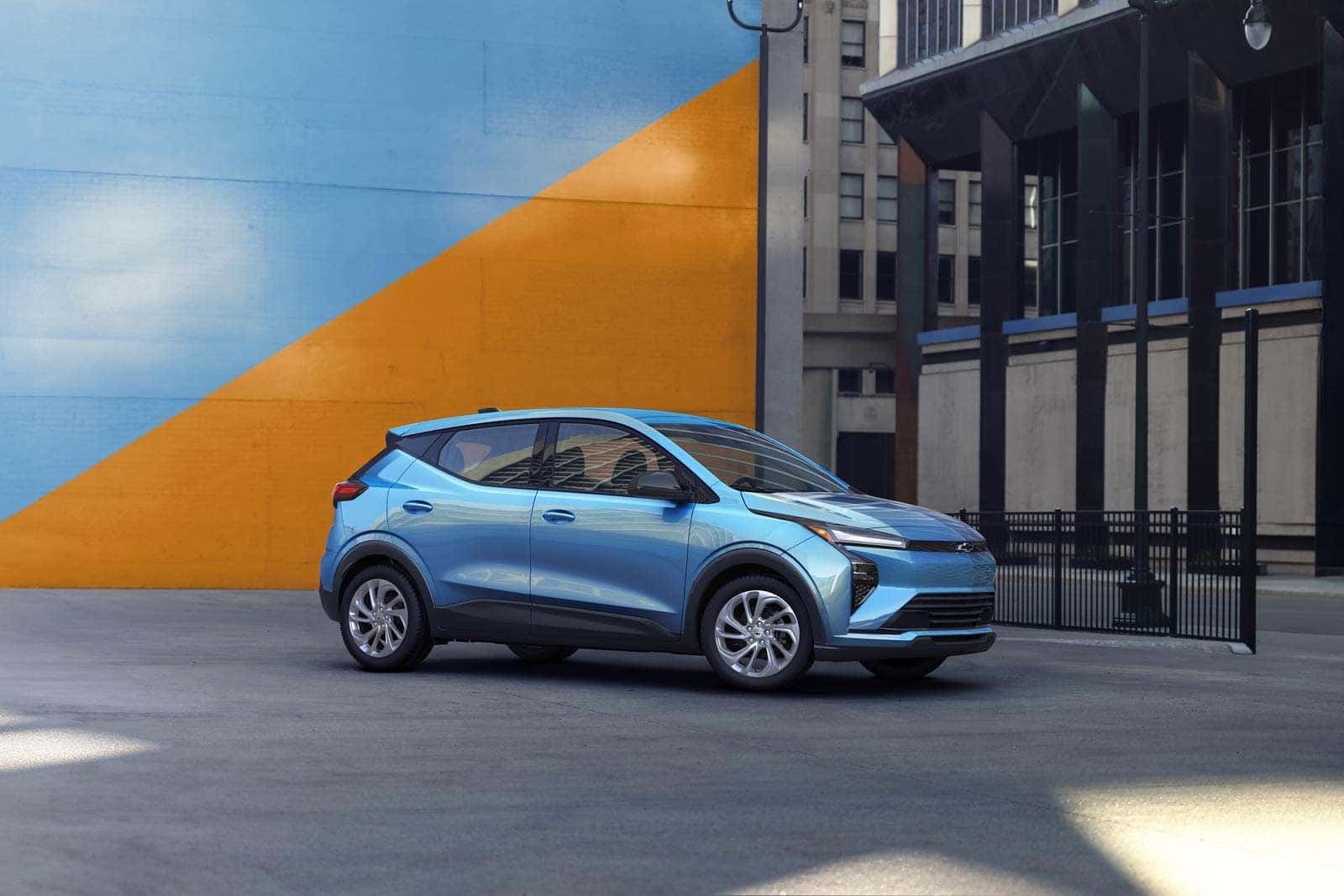
- Redesigned interior. The 2027 Bolt’s cabin is a generational leap — modern screens, better materials, and available features the simplified Kona Electric lineup can no longer match.
Why Shop Bolt in Denver with Emich Chevrolet
Emich Chevrolet is Denver’s top-rated Chevy dealer, located just minutes from downtown off South Broadway. Our EV-trained sales team can walk you through every Bolt feature, help you understand federal and Colorado incentives, and set up a test drive on local roads — including I-25, US-285, and neighborhood streets — so you experience the Bolt exactly the way you will drive it. Our service department is fully equipped for EV maintenance, and our finance team works to find the best rates and rebate combinations for every buyer. Whether you are coming from Lakewood, Aurora, Littleton, or anywhere along the Front Range, Emich makes the EV buying process simple.
Frequently Asked Questions
Is the 2027 Chevy Bolt cheaper than the 2026 Kona Electric?
Yes. The Bolt LT starts at $28,995, approximately $4,000 below the Kona Electric SE Standard Range at around $32,975.
Which EV has more range — the Bolt or the Kona Electric?
The Bolt, with 262 miles of EPA-estimated range compared to the Kona Electric’s 200 miles.
Can the Bolt use Tesla Superchargers?
Yes. The 2027 Bolt has a native NACS charging port, so it connects directly to Tesla Superchargers without an adapter.
How fast does the Bolt charge on DC fast charging?
At up to 150 kW, the Bolt can charge from 10 to 80 percent in about 26 minutes at a compatible DC fast charger.
Why does the 2026 Kona Electric only have one trim?
Hyundai simplified the Kona Electric lineup for 2026, dropping the long-range, 201-hp option and offering only the SE Standard Range trim with a smaller 48.6-kWh battery and 133 hp.
Is the Bolt or Kona Electric better for Colorado winters?
Both are front-wheel drive, and both lose some range in cold weather. However, the Bolt’s 62-mile range advantage provides a larger buffer on cold days, making it the safer choice for Front Range winters.
Which has a better warranty — Chevy or Hyundai?
Hyundai offers a longer basic warranty (5 yr / 60k mi vs. 3 yr / 36k mi) and a longer powertrain warranty (10 yr / 100k mi vs. 5 yr / 60k mi). Both cover the EV battery for 8 to 10 years and 100,000 miles.
Does Emich Chevrolet service electric vehicles?
Yes. Emich Chevrolet’s service department is fully equipped for EV maintenance and repair, with factory-trained technicians who specialize in Chevrolet electric vehicles.
Key Takeaways
- The 2027 Bolt EV starts at $28,995 — about $4,000 less than the 2026 Kona Electric.
- The Bolt delivers 210 hp and 262 miles of range versus the Kona Electric’s 133 hp and 200 miles.
- 150-kW DC fast charging with a native NACS port gives the Bolt direct access to Tesla Superchargers.
- The Kona Electric has been reduced to a single trim for 2026 — no more long-range option.
- Hyundai offers a longer warranty, but both brands protect the battery for 8–10 years.
- For Denver EV buyers, the Bolt offers more power, more range, faster charging, and a lower price.
Prices, specifications, and incentive eligibility are based on information available as of June 2026. MSRP excludes destination charges, taxes, and dealer-installed options. Contact Emich Chevrolet for the most current pricing and availability on the 2027 Chevy Bolt EV.
See the Chevy Bolt in Person at Emich Chevrolet
Top-rated Chevrolet dealer in Denver. Best selection, best pricing, and the area’s most trusted Chevy sales and service team.
Last updated: June 14, 2026 | Service area: Denver, Lakewood, Aurora, and the Front Range