

2027 Chevy Bolt EV vs 2026 Toyota C-HR EV | Emich Chevy
Last updated: June 22, 2026 | Service area: Denver, Lakewood, Aurora, and the Front Range
Denver drivers shopping for an affordable electric crossover now have two compelling choices: the all-new 2027 Chevrolet Bolt EV and the 2026 Toyota C-HR EV. Both deliver over 260 miles of range, 150 kW DC fast charging, and standard NACS charge ports. But they target very different buyers. The Bolt starts at $27,600 and focuses on value, efficiency, and modern tech. The C-HR EV starts at $37,000 and emphasizes performance with dual motors and standard AWD. Below, we break down every specification that matters so you can decide which electric crossover fits your budget, your commute, and your Colorado lifestyle.
Quick Answer: Which EV Is the Better Value?
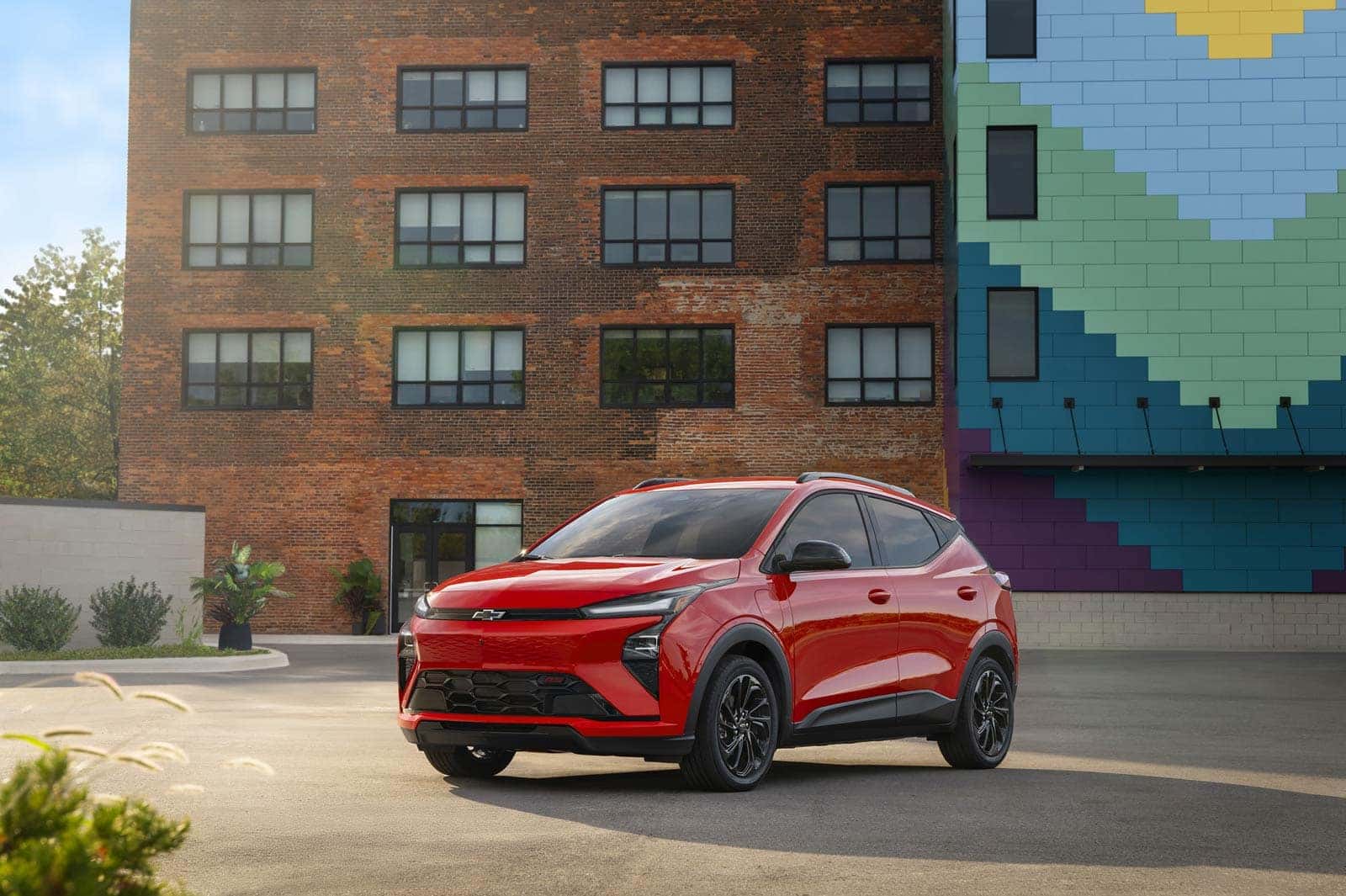
The 2027 Chevrolet Bolt EV starts nearly $10,000 less than the 2026 Toyota C-HR EV while delivering 262 miles of EPA-estimated range, 150 kW fast charging, available Super Cruise, and a modern dual-screen cabin. The C-HR EV counters with more power (338 hp vs. 210 hp), standard AWD, and up to 287 miles of range. For Denver buyers who want to enter EV ownership without a premium price tag, the Bolt is the smarter pick.
See the Chevy Bolt EV in Person at Emich Chevrolet
Top-rated Chevrolet dealer in Denver. Best selection, best pricing, and the area’s most trusted Chevy sales and service team.
2027 Bolt EV vs. 2026 C-HR EV: At a Glance
The table below puts the key numbers side by side. Where the Bolt gives up power and cargo volume, it more than compensates on price and charging speed.
| Specification | 2027 Chevrolet Bolt EV | 2026 Toyota C-HR EV |
|---|---|---|
| Starting MSRP | $27,600 (LT) | $37,000 (SE) |
| Horsepower | 210 hp | 338 hp (combined) |
| Torque | 169 lb-ft | ~323 lb-ft (combined) |
| Drivetrain | FWD | AWD |
| EPA-Estimated Range | 262 miles | 287 miles (SE) / 273 miles (XSE) |
| Battery | 65 kWh LFP | 74.7 kWh |
| DC Fast Charging | 150 kW / 25 min 10–80% | 150 kW / ~30 min 10–80% |
| Cargo (behind rear seats) | 16.2 cu ft | 25.3 cu ft |
| Cargo (seats folded) | 56.3 cu ft | 59.5 cu ft |
| NACS Charge Port | Standard | Standard |
Range and Charging
The C-HR EV edges ahead on total range thanks to its larger 74.7 kWh battery, delivering 287 miles on the SE trim. However, the Bolt EV’s 262 miles from a 65 kWh LFP battery covers the vast majority of Denver commutes and weekend trips. A round trip from Denver to Colorado Springs is roughly 140 miles, well within the Bolt’s single-charge capability.
On DC fast charging, the Bolt holds a slight advantage. Both vehicles charge at 150 kW, but the Bolt reaches 10–80% in approximately 25 minutes compared to about 30 minutes for the C-HR EV. Both come standard with NACS charge ports for direct access to Tesla Superchargers and the growing NACS network across Colorado.
The Bolt’s LFP (lithium iron phosphate) battery chemistry is also worth noting. LFP batteries offer longer cycle life and better thermal stability, translating to improved durability over the life of the vehicle.
Performance and Drivetrain
This is where the C-HR EV makes its strongest case. Dual electric motors produce a combined 338 horsepower and approximately 323 lb-ft of torque, standard AWD plants all four tires on the road, and 0–60 mph arrives in 4.9 seconds. That is a meaningful advantage on icy Front Range mornings.
The Bolt EV takes a different approach. Its single motor delivers 210 horsepower and 169 lb-ft through the front wheels. It is not a performance vehicle, but it provides responsive acceleration for daily driving and highway merging. Because it pushes less weight through fewer drivetrain components, it extracts impressive efficiency from a smaller battery pack.
Interior and Technology
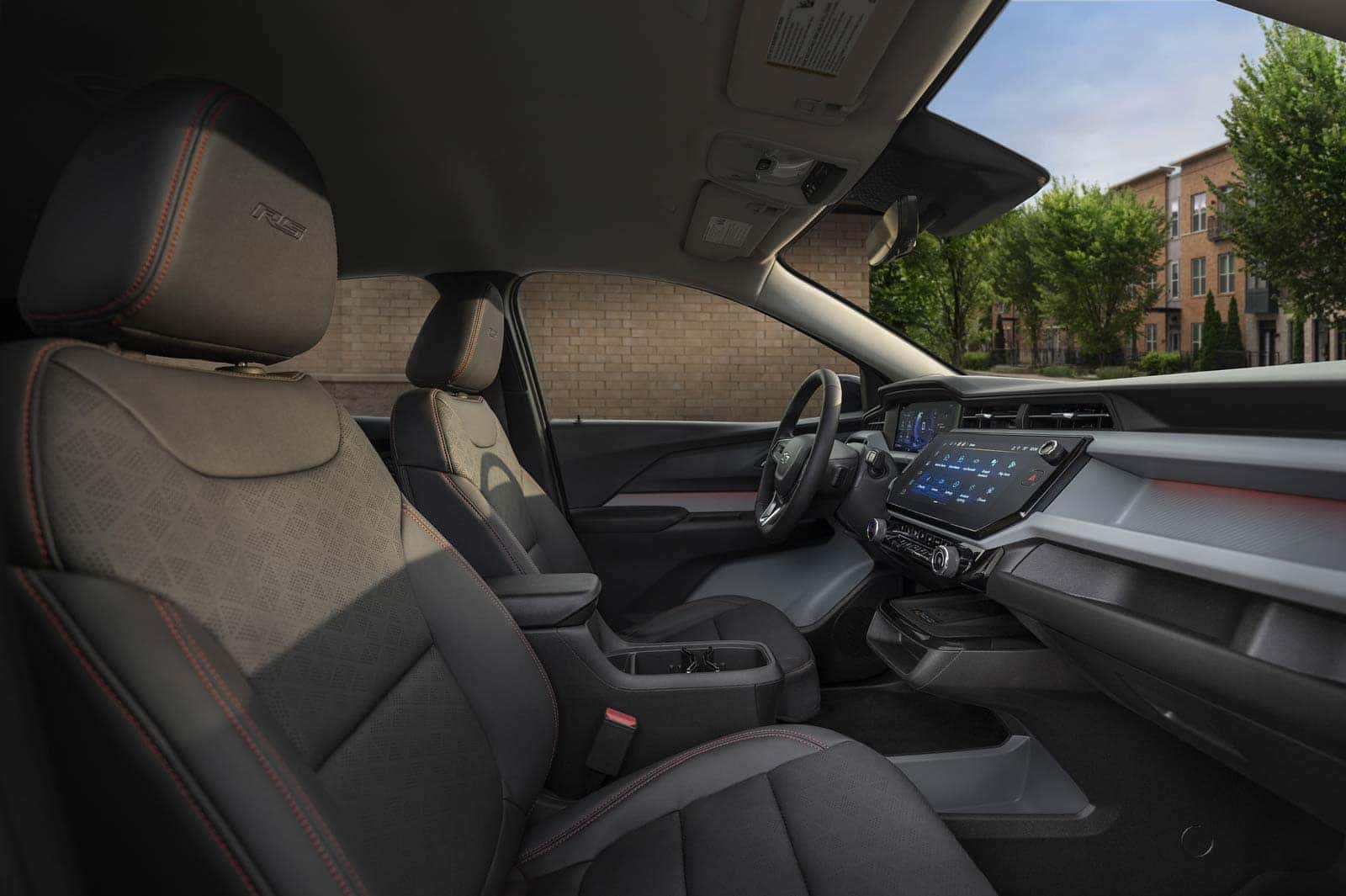
The 2027 Bolt EV debuts an entirely new interior that punches above its price class. An 11.3-inch touchscreen and an 11-inch Driver Information Center create a wide, modern display layout rivaling vehicles costing tens of thousands more. Wireless Apple CarPlay and Android Auto come standard.
The standout feature is available Super Cruise, GM’s hands-free highway driving system. Super Cruise operates on over 400,000 miles of compatible highways, letting you travel hands-free on long stretches of I-25 and I-70. At this price point, no other EV offers comparable hands-free capability. The C-HR EV includes Toyota Safety Sense with solid driver-assist features but nothing equivalent to true hands-free highway driving.
Safety Features
The 2027 Bolt EV comes standard with over 20 safety and driver-assistance features, including automatic emergency braking, lane-keeping assist, and forward collision alert. The C-HR EV includes Toyota Safety Sense 3.0 with a similar suite. Both vehicles deliver strong standard safety packages without requiring a trim upgrade.
Cargo and Interior Space
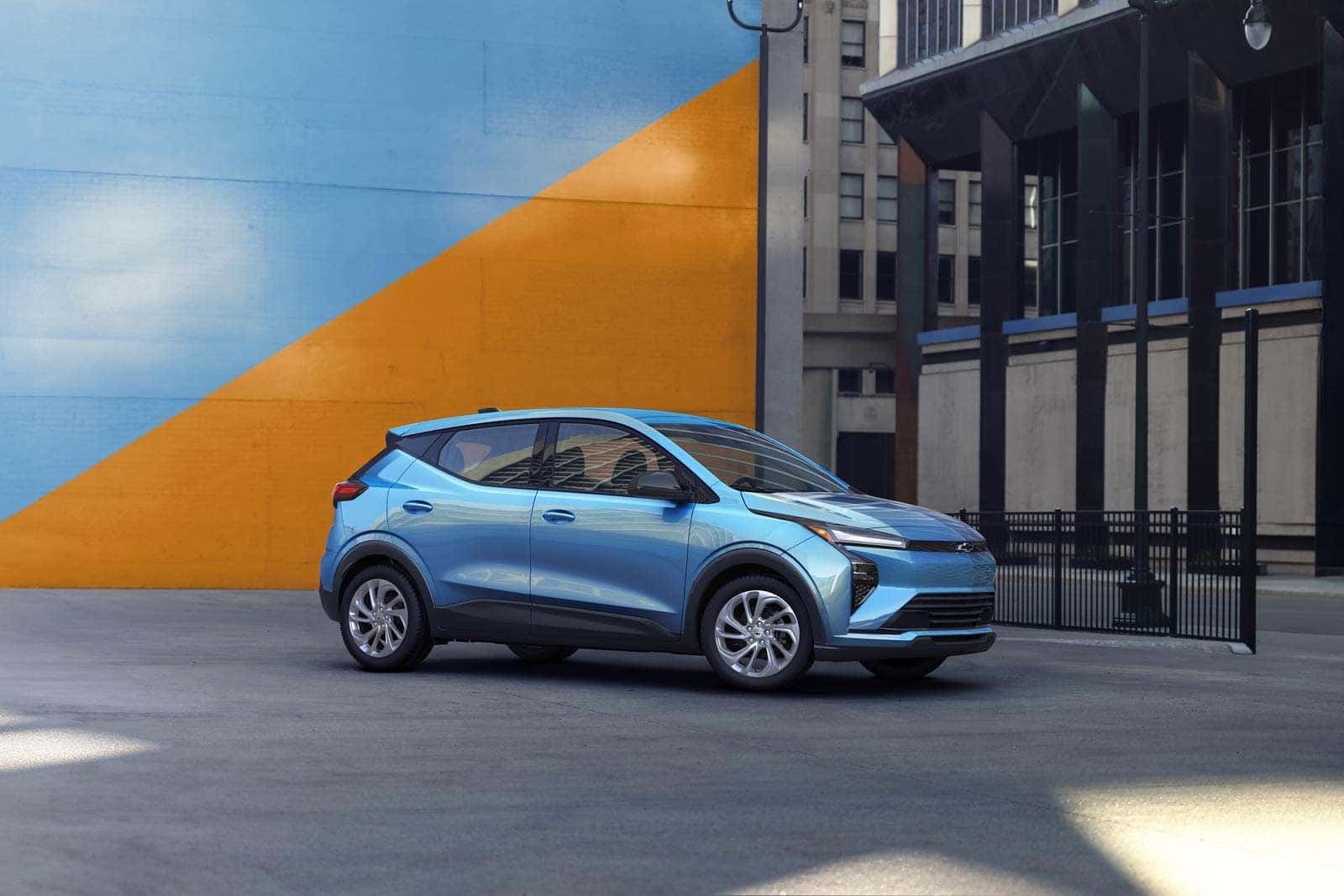
The C-HR EV wins on cargo volume with 25.3 cubic feet behind the rear seats versus 16.2 cubic feet in the Bolt. Fold the seats and the gap narrows: 59.5 cubic feet versus 56.3 cubic feet. If you regularly haul camping gear or need maximum cargo flexibility, the C-HR EV has a clear edge. For most daily errands and weekend outings, the Bolt handles groceries, luggage, and sporting equipment without issue.
Pricing, Value, and Warranty
Price is where the Bolt EV separates itself. The Bolt LT starts at $27,600. The sportier RS starts at $31,600. The C-HR EV SE opens at $37,000, and a loaded XSE can reach approximately $43,000. You could buy a fully loaded Bolt RS and still spend less than a base C-HR EV.
Both vehicles offer matching warranty structures: 3-year/36,000-mile bumper-to-bumper, 5-year/60,000-mile powertrain, and 8-year/100,000-mile EV battery coverage. The C-HR EV adds ToyotaCare (2 years/25,000 miles of complimentary maintenance), a nice perk that does not close a $10,000 price gap.
Factor in lower monthly payments, less expensive insurance, and the Bolt’s LFP battery longevity, and the total cost of ownership over five years tips heavily in the Bolt’s favor.
Common Mistakes When Comparing These EVs
- Ignoring real-world range needs. Most Denver commuters drive under 40 miles per day. Paying $10,000 more for 25 extra miles of range rarely makes financial sense.
- Overvaluing AWD for urban driving. AWD helps on mountain passes, but modern traction control and quality winter tires on a FWD vehicle handle Denver winters well.
- Overlooking total cost of ownership. The sticker price gap widens when you add higher insurance premiums and larger loan amounts on the more expensive vehicle.
Top 6 Reasons to Choose the 2027 Chevrolet Bolt EV
- Nearly $10,000 less to start. The Bolt LT at $27,600 makes EV ownership accessible to a much wider range of Denver buers than the $37,000 C-HR EV.
- Faster DC fast charging. The Bolt reaches 10–80% in roughly 25 minutes versus about 30 minutes for the C-HR EV, getting you back on the road sooner on Colorado road trips.
- Available Super Cruise. No other EV in this price range offers a true hands-free highway driving system. Super Cruise transforms long drives on I-25 and I-70.
- Modern dual-screen cabin. The 11.3-inch touchscreen and 11-inch driver display create a premium feel that belies the Bolt’s affordable price.
- LFP battery durability. Lithium iron phosphate chemistry is prized for thermal stability and long cycle life, supporting confident ownership well beyond the 8-year/100,000-mile battery warranty.
- Over 20 standard safety features. Every Bolt comes loaded with driver-assistance technology at no extra charge, so you do not need to upgrade trims for essential safety equipment.
Why Shop at Emich Chevrolet in Denver
Emich Chevrolet has served the Denver metro area for decades as the region’s most trusted Chevrolet dealer. Our EV-certified technicians understand the Bolt inside and out. We maintain strong Bolt EV inventory across trims and colors, offer transparent pricing, and provide a no-pressure shopping experience whether you are buying your first EV or adding one to your garage.
Frequently Asked Questions
How much does the 2027 Chevrolet Bolt EV cost compared to the 2026 Toyota C-HR EV?
The 2027 Bolt EV starts at $27,600 for the LT trim and $31,600 for the RS. The 2026 C-HR EV starts at $37,000 for the SE, with loaded XSE models reaching approximately $43,000. The Bolt is nearly $10,000 less expensive at the entry level.
What is the EPA-estimated range of the 2027 Bolt EV vs. the 2026 C-HR EV?
The Bolt EV offers an EPA-estimated 262 miles of range from its 65 kWh LFP battery. The C-HR EV provides 287 miles on the SE trim with 18-inch wheels or 273 miles on the XSE with 20-inch wheels, using a 74.7 kWh battery.
Does the 2027 Bolt EV support DC fast charging?
Yes. The Bolt EV supports DC fast charging at up to 150 kW, reaching 10–80% in approximately 25 minutes. It comes standard with an NACS charge port for direct access to Tesla Superchargers and the growing NACS network.
Is the 2026 Toyota C-HR EV all-wheel drive?
Yes. The C-HR EV comes standard with AWD powered by dual electric motors producing a combined 338 horsepower. The Bolt EV is front-wheel drive only.
Does the 2027 Bolt EV have Super Cruise?
Yes. The 2027 Bolt EV offers available Super Cruise, GM’s hands-free highway driving system that operates on over 400,000 miles of compatible highways across the U.S. and Canada. It is a premium feature at an affordable price point.
Which EV has more cargo space, the Bolt EV or the C-HR EV?
The C-HR EV offers more cargo space with 25.3 cubic feet behind the rear seats and 59.5 cubic feet with seats folded. The Bolt provides 16.2 cubic feet behind the rear seats and 56.3 cubic feet with seats folded.
What warranty does the 2027 Bolt EV come with?
The Bolt EV includes a 3-year/36,000-mile bumper-to-bumper warranty, a 5-year/60,000-mile powertrain warranty, and an 8-year/100,000-mile battery warranty.
Where can I buy the 2027 Chevrolet Bolt EV in Denver?
You can buy the 2027 Bolt EV at Emich Chevrolet, a top-rated Chevrolet dealer serving Denver, Lakewood, Aurora, and the Front Range. Visit us for the area’s best selection, competitive pricing, and a trusted sales and service team.
Key Takeaways
- The 2027 Bolt EV starts at $27,600, nearly $10,000 less than the 2026 C-HR EV at $37,000.
- The Bolt charges faster at DC stations: 25 minutes to 80% versus about 30 minutes for the C-HR EV.
- Available Super Cruise gives the Bolt a hands-free highway driving feature unmatched at this price.
- The C-HR EV offers more power (338 hp), standard AWD, and more cargo space.
- Both EVs share matching warranty coverage and standard NACS charge ports.
- For Denver buyers focused on value and accessible EV ownership, the Bolt is the clear winner.
See the Chevy Bolt EV in Person at Emich Chevrolet
Top-rated Chevrolet dealer in Denver. Best selection, best pricing, and the area’s most trusted Chevy sales and service team.
Last updated: June 22, 2026 | Service area: Denver, Lakewood, Aurora, and the Front Range