

Chevy Diagnostics and Repair
Last updated: March 1, 2026 • Service area: Denver, Aurora
Check Engine Light Help
When your check engine light turns on, guessing gets expensive fast. Emich Chevrolet provides Chevy Diagnostics and Repair that starts with accurate fault isolation (not parts-swapping), then turns results into clear repair options—so Denver and Aurora drivers can fix the real cause and get back to reliable miles.
Quick Answer
Start with a professional scan and verification drive to confirm the fault is active and repeatable. Quality Chevy Diagnostics and Repair checks the code and the supporting data (freeze-frame, sensor readings, fuel trims) so the fix targets the root cause—not the symptom. If the light is flashing, reduce load and schedule service immediately to avoid catalytic converter damage in Denver traffic or on I-225.
Ready to diagnose it correctly the first time?
Bring your Chevy in for data-driven testing, clear estimates, and repairs matched to the failure—not assumptions.
Serving Denver and Aurora with Chevrolet-trained processes, factory-grade diagnostic workflow, and transparent repair recommendations.
What the check engine light actually means
The light isn’t a single problem—it’s a warning that the engine or emissions system detected something outside expected limits. A code reader can show a general code, but Chevy Diagnostics and Repair is about confirming why that code set: fuel mixture, airflow, ignition energy, evaporative emissions, or communication faults can all trigger similar symptoms.
In Denver, altitude and temperature swings can amplify marginal conditions (like weak ignition coils or small vacuum leaks) and cause intermittent lights. Our diagnostic approach accounts for real-world driving—commutes, mountain grades, and stop-and-go—so the result is actionable, not ambiguous.
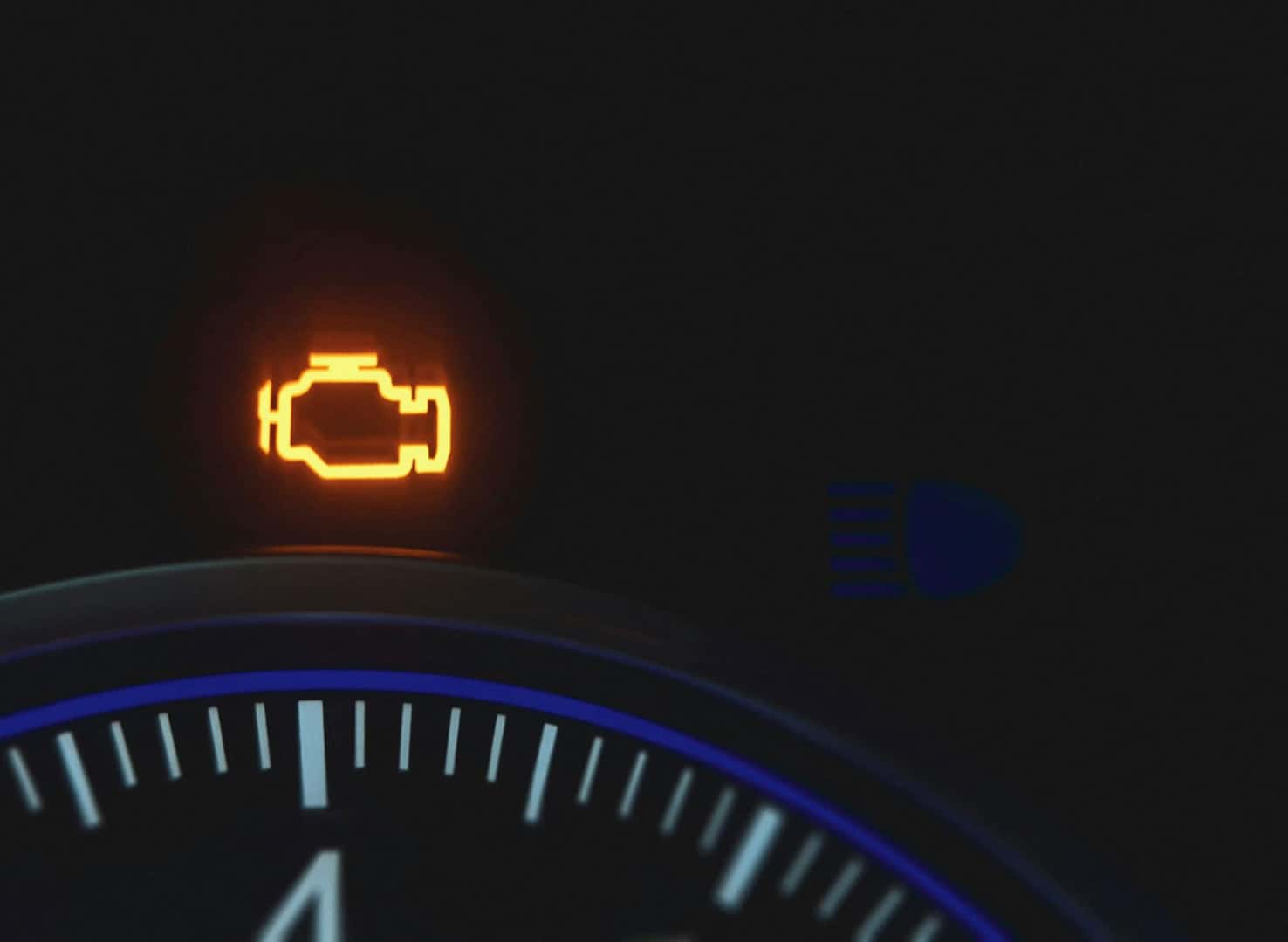
Common reasons a Chevy check engine light turns on
If you’re searching “Whats wrong with my Chevy” or “Fix Chevy Check Engine light,” these are the categories we test first. The key is not the list—it’s confirming which system is actually failing on your vehicle.
High-frequency causes we validate with testing
- EVAP leaks (loose cap, purge valve, vent valve, small line leak): often intermittent and requires targeted leak checks.
- Misfires (spark plugs, coils, injectors, compression): a flashing light means active misfire risk to the catalytic converter.
- Air/fuel imbalance (MAF/MAP data drift, vacuum leaks, fuel pressure issues): needs fuel trim analysis, not just a code scan.
- Oxygen sensor / catalyst efficiency faults: requires upstream/downstream waveform comparison and misfire/fuel control checks first.
- Thermostat / coolant temp regulation: affects fuel strategy and heater performance—common when warmup time is abnormal.
- Network and module communication issues (CAN faults, low voltage): can set multiple unrelated codes without a true component failure.
Why codes alone aren’t a diagnosis
A code is a clue, not a verdict. Chevy Diagnostics and Repair relies on three layers: code + data + verification. For example, a “lean” code can be caused by unmetered air, weak fuel supply, incorrect sensor reporting, or exhaust leaks upstream of oxygen sensors. If you replace the most common part first, you may temporarily mask the issue without fixing it.
Emich Chevrolet uses a structured workflow to isolate the failing system, confirm conditions that trigger it, and then recommend repairs that match evidence. That process matters even more for Denver and Aurora drivers when faults are intermittent due to temperature swings, altitude, and driving patterns.
Common mistakes that waste time and money
- Clearing codes before recording freeze-frame data (you lose the “snapshot” of conditions that caused the fault).
- Replacing a sensor because the code mentions it (codes often point to a system, not the failing part).
- Ignoring a flashing light and continuing hard acceleration (can damage the catalytic converter).
- Assuming “runs fine” means “safe” (some faults only appear under load, on hills, or after warmup).
- Skipping battery/charging checks (low voltage can create false communication and performance codes).
Our Chevy Diagnostics and Repair process at Emich Chevrolet
If you’re looking for “Chevy Repairs Near me” in Denver or Aurora, here’s what a rigorous diagnostic visit should look like. Our approach is designed to be repeatable, evidence-based, and easy to understand—so you can authorize repairs confidently.
Step 1: Intake + symptom mapping
We capture your concern in plain language (noise, hesitation, rough idle, fuel smell, hard start), plus conditions (cold start, after fueling, highway speed, uphill). This turns “it feels weird” into testable criteria—especially helpful for intermittent lights in Denver commutes.
Step 2: Scan + freeze-frame + system status
We read stored, pending, and history codes and review freeze-frame data (RPM, load, coolant temp, fuel trims). We also check monitor readiness status to understand whether the issue is active, recently cleared, or only occurs in specific drive cycles.
Step 3: Live data + targeted testing
Depending on the fault, we review live sensor data (short/long fuel trims, misfire counters, O2 response, MAP/MAF correlation) and run specific tests like smoke testing for EVAP/vacuum leaks, fuel pressure verification, ignition stress checks, or circuit testing.
Step 4: Confirm the root cause + verify the fix
Before recommending repairs, we confirm the failure mechanism (what is failing, when it fails, and why). After repair, we verify with a road test and confirm the condition is resolved, with monitors progressing normally when applicable.
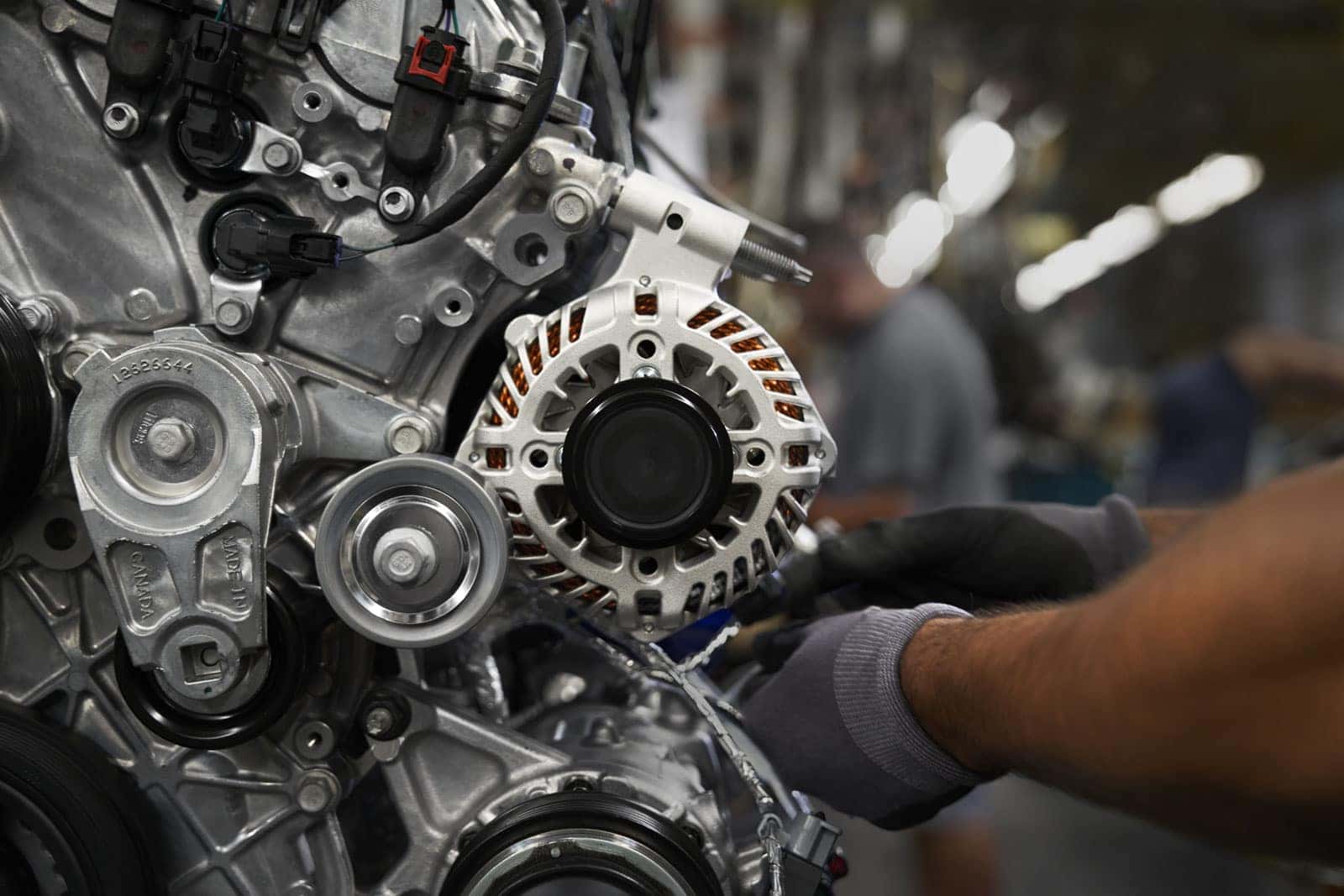
Examples: what “good diagnosis” looks like (real-world scenarios)
Customers often arrive with a generic code readout and a parts list from the internet. Below are practical examples of how Chevy Diagnostics and Repair separates symptoms from root causes—so you don’t pay twice.
Scenario A: “After I get gas, the light comes on”
We test the EVAP system—cap seal, purge valve operation, vent function, and system integrity—rather than replacing a random sensor. A small leak or sticking purge valve can trigger faults only after refueling. Our process pinpoints the failure mode and confirms it’s resolved before you leave Denver roads again.
Scenario B: “It shakes at idle, but only sometimes”
We look at misfire counters, ignition performance, injector balance, and mechanical health checks when needed. Many intermittent idle issues in Aurora and Denver worsen with temperature changes. We confirm whether it’s ignition, fuel delivery, or air metering before recommending plugs, coils, cleaning, or deeper repair.
Scenario C: “The code says O2 sensor, so I replaced it”
Oxygen sensor codes can be downstream effects. We compare upstream/downstream behavior, check fuel control strategy, verify exhaust integrity, and rule out misfires. Proper Chevy Diagnostics and Repair avoids repeating the same repair and ensures the emissions system is working as designed.
Cost, timing, and what to expect in Denver and Aurora
Diagnostic work is different from straightforward maintenance because the time needed depends on whether the fault is active, intermittent, or requires a specific drive cycle. Our goal is to be transparent: you’ll know what we found, what we tested, and what the next step is—before repair decisions are made.
For many vehicles, initial testing isolates the issue quickly. When a problem is intermittent, we may recommend extended testing, targeted follow-up tests, or a return visit after the condition repeats. That’s still efficient—because it prevents guesswork and repeat visits caused by incorrect first repairs.
Typical diagnostic-and-repair expectations (ranges)
Note: Timing depends on symptoms, part availability, and whether the issue is active during the visit.
What you can do right now before your appointment
Simple, smart steps help us diagnose faster and may keep a minor issue from becoming major. If you’re in Denver or Aurora, these are especially useful with variable weather and altitude.
- If the light is flashing, reduce speed, avoid hard acceleration, and schedule service immediately.
- Write down when it happens: cold start, after fueling, highway speed, uphill, at idle.
- If safe, check your gas cap seal and tighten until it clicks (don’t over-tighten).
- Note any changes: fuel economy drop, rough idle, sulfur smell, hard starting, overheating, or reduced power.
- Avoid clearing codes; data helps us complete Chevy Diagnostics and Repair efficiently.
Why choose Emich Chevrolet for diagnostics and repair
You don’t need a bigger parts cannon—you need a better process. Emich Chevrolet focuses on accurate fault isolation, transparent communication, and repairs that match evidence. That’s what makes our Chevy Diagnostics and Repair experience a strong option for Denver and Aurora drivers.
A workflow built for root-cause accuracy
We combine scan results with supporting data (freeze-frame + live readings) and follow with confirmatory tests. This reduces repeat visits and avoids “try this” repairs—especially important when you’re dealing with intermittent issues around Denver and Aurora.
Clear estimates and decision points
After initial diagnostic steps, we explain what we found and what we recommend next. If additional testing is needed, we outline the goal (what it will confirm or rule out) so you can make an informed choice without pressure.
Repair quality aligned with Chevrolet standards
For Chevrolet vehicles, the right diagnostic path matters as much as the repair itself. We follow manufacturer-aligned procedures and verification steps so the fix is validated—not assumed—before you head back out on Colorado roads.
Convenient for Denver & Aurora drivers
Whether you’re commuting downtown Denver, running routes near Aurora, or driving I-70 corridors, we aim to keep diagnostics efficient and communication clear—so you spend less time wondering and more time driving confidently.
Symptoms we diagnose every day
“Fix Chevy Check Engine light” often comes with other clues. If you notice any of these in Denver or Aurora, include them when you schedule—details help us get to the correct test path faster.
- Rough idle, shaking at stops, or stalling
- Hesitation on acceleration, reduced power, or surging
- Hard starts, long crank, or starting then dying
- Fuel smell after refueling or trouble filling the tank
- Poor fuel economy, especially noticeable in Denver commutes
- Overheating, temperature swings, or weak cabin heat
FAQ: Chevy check engine light & repair questions
These answers are designed to be clear and extractable for quick decisions—especially if you’re searching “Chevy Check Engine Denver” or “Chevy Repairs Near me.”
Can I drive my Chevy with the check engine light on?
If the light is steady and the vehicle drives normally, you can often drive short distances, but you should schedule Chevy Diagnostics and Repair soon to prevent secondary damage. If the light is flashing, the engine may be misfiring—reduce load, avoid hard acceleration, and schedule service right away. In Denver stop-and-go traffic, flashing misfires can overheat the catalytic converter quickly.
Why did my code reader say one thing, but the problem feels different?
Many codes describe a system condition, not a specific failed part. For example, “lean” can come from unmetered air, low fuel pressure, or sensor drift. Chevy Diagnostics and Repair verifies freeze-frame conditions and live data to identify the real cause. That’s why professional testing often saves money versus replacing parts based only on the code label.
Will a loose gas cap really cause a check engine light?
Yes—on many Chevrolet vehicles, an EVAP leak can trigger the light, especially after refueling. Tightening the cap until it clicks can help, but not all EVAP faults are caps. If the light stays on, schedule Chevy Diagnostics and Repair so we can test the EVAP system for small leaks, valve issues, or line problems that a cap can’t fix.
How long does it take to diagnose a check engine light?
Many active faults can be narrowed down during the initial visit using scan data and targeted tests. Intermittent issues may require reproducing the condition, which can take longer or require follow-up. In Denver and Aurora, intermittent lights are common with temperature swings, so we focus on capturing evidence (freeze-frame and live trends) to reduce repeat visits.
Can altitude in Denver affect my check engine light?
Altitude can make marginal air/fuel, ignition, or airflow issues show up more clearly, and it can change how some systems operate during warmup and load. That’s why Chevy Diagnostics and Repair should include live data review and verification under real driving conditions. We account for Denver-area conditions so the diagnosis matches how you actually drive.
What if the light turns off before my appointment?
The system may store history or pending codes even if the light is off. Don’t clear anything—stored data can still guide Chevy Diagnostics and Repair. If possible, note when it happened and what you felt (idle, speed, after fueling). For Denver and Aurora drivers, intermittent issues are common, and history data is often the fastest route to a correct fix.
Will you reset the light after repair?
After repairs, we verify the condition is resolved and confirm the system is operating correctly. The light may be cleared as part of the process, but verification matters more than clearing. Proper Chevy Diagnostics and Repair includes a post-repair check so you can leave with confidence, not just an extinguished indicator.
Do you work on older Chevys and high-mileage vehicles?
Yes—high-mileage vehicles often need more careful testing because multiple systems can contribute to one symptom. We use structured Chevy Diagnostics and Repair to separate primary failures from secondary effects, then prioritize repairs by safety, drivability, and long-term value. That’s especially important for Denver and Aurora drivers who rely on their vehicles year-round.
Key takeaways before you book service
- A code is a clue—Chevy Diagnostics and Repair verifies the root cause using data and targeted tests.
- Flashing check engine lights should be treated as urgent to prevent catalytic converter damage.
- Intermittent lights in Denver and Aurora often require condition mapping and history data to diagnose correctly.
- EVAP faults can be cap-related, but proper testing confirms leaks and valve function.
- Good diagnosis includes verification after repair—so the fix is proven, not assumed.
- Emich Chevrolet emphasizes clear communication, transparent decision points, and evidence-based repairs.
Your next step: get a real answer, not a guess
If you’ve been searching “Chevy Repairs Near me” or “Chevy Check Engine Denver,” the fastest path forward is professional testing and a clear plan. Emich Chevrolet provides Chevy Diagnostics and Repair that turns codes into confirmed causes—then into repair options you can trust.
Bring your Chevrolet in from Denver or Aurora and let’s identify the real issue, prioritize what matters, and verify the result—so your vehicle stays dependable for daily driving and Colorado weekends.
Book your diagnostic visit with Emich Chevrolet
Accurate testing, clear explanations, and verified repairs for Denver and Aurora Chevy drivers.
Tip: Include whether the light is steady or flashing, and when it happens (cold start, after fueling, highway, uphill).
Service area: Denver, Aurora
Chevrolet diagnostics note: Diagnostic outcomes vary by model, mileage, and symptom behavior. Final recommendations follow confirmed test results.