

Comparing the 2026 Chevy Silverado and the 2026 Ford F-150
Silverado vs F150: 2026 Engine, Trim & Towing Comparison
If you’re researching the 2026 Silverado 1500 and 2026 Ford F-150, you’re probably doing it for one reason: you need real specs, not hype. Below is a technical, trim-by-trim comparison focused on engines, towing/payload, off-road hardware, and the practical stuff that matters around Denver and Lakewood—altitude, weekend grades, jobsite hauling, and year-round weather.
Quick Answer
In a straight 2026 half-ton spec fight, Silverado vs F150 often comes down to your priority: diesel efficiency and low-end torque (Silverado’s available 3.0L Duramax), max tow rating (F-150 can reach higher on paper with the right 3.5L EcoBoost setup), or off-road execution (Silverado Trail Boss/ZR2 versus F-150 Tremor/Raptor).
For Denver and Lakewood drivers who tow in the mountains or rack up highway miles, the Silverado’s diesel option and towing-friendly torque curve are strong advantages. If your goal is to chase the highest max tow number and you’ll spec for it, the F-150’s max towing configurations deserve attention.
What matters most in Denver & Lakewood truck shopping
Trucks that feel “similar” at sea level can feel different at 5,000–10,000 feet. In Colorado Front Range driving, you’ll notice it most on:
(1) long grades while towing,
(2) passing power at highway speeds,
(3) braking and stability when the trailer pushes back downhill, and
(4) fuel economy when you’re cruising I-70, C-470, or US-6 with mixed elevation.
Common mistakes (and how to avoid them)
- Comparing “max tow” numbers without matching cab/bed/axle ratio and tow package.
- Ignoring payload. A heavy trailer tongue + passengers + gear can hit payload limits before you hit tow limits.
- Assuming the highest horsepower engine is always the best towing engine (torque curve and gearing usually matter more).
- Skipping brake controller/tow mirrors/trailer assist features that reduce fatigue on mountain grades.
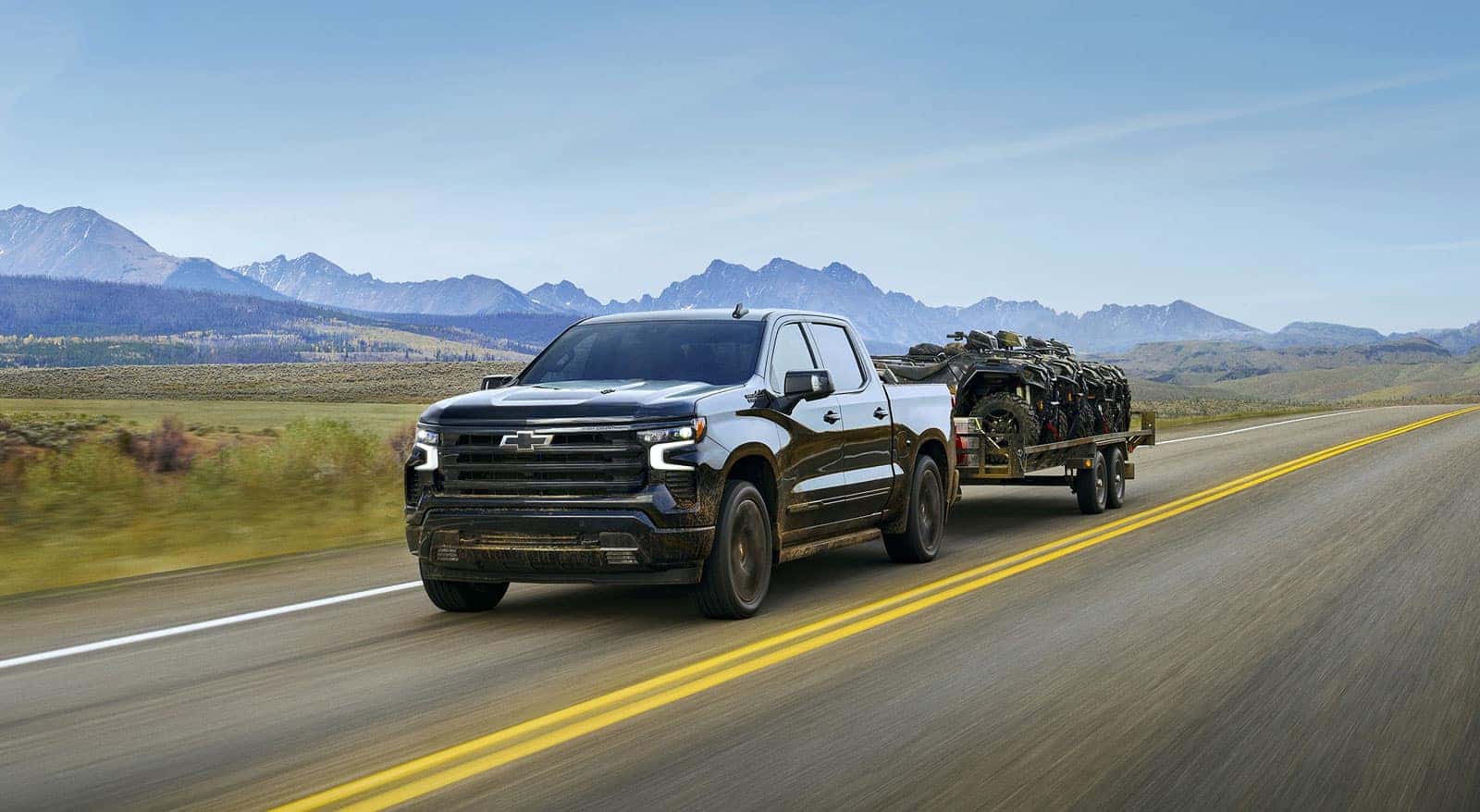
Specs at a glance: 2026 Silverado 1500 vs 2026 F-150
This Silverado vs F150 snapshot uses manufacturer-published highlights for each model year. Real-world numbers vary by cab/bed/drivetrain and equipment. Use this as your “map,” then confirm a specific truck’s door-jamb payload label and build sheet before you buy.
| Category | 2026 Silverado 1500 | 2026 Ford F-150 | Why it matters in Denver & Lakewood |
|---|---|---|---|
| Engine lineup | 4-cylinder turbo, two V8s, and an available 3.0L turbo-diesel | Twin-turbo V6, V8, full hybrid, plus performance variants (Raptor/Raptor R) | Your use case (towing, commuting, off-road) should pick the engine, not the badge. |
| Max conventional tow (when properly equipped) | Up to about 13,300 lbs (config-dependent) | Up to about 13,500 lbs (config-dependent) | Both can tow serious weight—configuration is the whole game. |
| Standout torque story | TurboMax torque and Duramax diesel torque for towing feel | PowerBoost hybrid torque headline; Raptor R torque in performance segment | Torque at the right RPM reduces gear hunting on grades. |
| Off-road factory trims | Custom Trail Boss / LT Trail Boss / ZR2 | Tremor / Raptor / Raptor R | If you drive snow, ruts, job sites, or trails, buy the hardware—then enjoy it. |
Engine comparison chart: power, torque, and what it feels like
People search Silverado vs F150 for “best diesel engine,” “most efficient truck,” and “best towing.” Those are engine questions. Here’s the cleanest way to compare: identify the engine you want first, then choose the trim that makes sense.
| Model | Engine (common name) | Horsepower | Torque | What it’s best at | Colorado note |
|---|---|---|---|---|---|
| Silverado 1500 | 2.7L TurboMax (turbo I-4) | 310 hp | 430 lb-ft | Strong low-end pull for daily hauling and light-to-mid towing | Turbo torque helps on grades; match it to the trailer you actually tow. |
| Silverado 1500 | 5.3L V8 (EcoTec3) | 355 hp | 383 lb-ft | Balanced all-rounder: work, towing, and long-term simplicity | Great “do everything” choice for Denver and Lakewood mixed use. |
| Silverado 1500 | 6.2L V8 (EcoTec3) | 420 hp | 460 lb-ft | Passing power, heavier towing confidence, performance feel | If you tow through the mountains often, extra power reduces effort. |
| Silverado 1500 | 3.0L Duramax (turbo-diesel I-6) | 305 hp | 495 lb-ft | Towing “ease,” highway efficiency, long-distance torque | Silverado advantage: excellent torque + efficiency for I-70 and long commutes. |
| Ford F-150 | 2.7L EcoBoost V6 | 325 hp | 400 lb-ft | Daily driving + moderate towing capability | Turbo response is helpful on grades; payload can be the limiter. |
| Ford F-150 | 3.5L EcoBoost V6 | 400 hp | 500 lb-ft | Max tow configurations and strong midrange pull | Often picked for top tow rating; spec the tow axle/tow package correctly. |
| Ford F-150 | 3.5L PowerBoost full hybrid V6 | 430 hp | 570 lb-ft | Torque headline + onboard power capability (model-dependent) | Great for power needs and mixed driving; towing depends on configuration. |
| Ford F-150 | 5.0L V8 | 400 hp | 410 lb-ft | Traditional V8 feel + strong payload potential in the right spec | Payload is often the deciding factor for contractors and fleets. |
Where the Silverado is the better pick (engine-specific)
- Best diesel engine / most efficient truck: Silverado’s available 3.0L Duramax is a rare half-ton diesel option—ideal for high-mileage highway drivers and frequent towing near Denver and Lakewood.
- Towing feel, not just towing math: The combination of torque + gearing + diesel efficiency can make long grades feel calmer and more controlled.
- Straightforward lineup: Four core engines make it easier to “choose your powertrain,” then pick your trim, instead of getting lost in dozens of package combos.
Towing & payload: the chart that prevents expensive mistakes
People searching compare Silverado and Ford v Chevy often want the biggest number. The bigger reality: your trailer setup is limited by (a) towing rating, (b) payload, and (c) hitch/tongue weight at the same time. If your family rides with you or you load the bed with gear, payload becomes the “silent limiter.”
| Truck | Max tow headline (properly equipped) | Max payload headline (properly equipped) | Why shoppers get tripped up | Practical guidance |
|---|---|---|---|---|
| 2026 Silverado 1500 | Up to ~13,300 lbs (Duramax setups can hit this) | Varies by cab/bed/4×4; confirm the door label for the exact truck | Adding 4×4, larger wheels/tires, and luxury features usually reduces payload. | Start with your trailer’s loaded weight, then choose the cab/bed that preserves payload. |
| 2026 Ford F-150 | Up to ~13,500 lbs (3.5L EcoBoost max tow spec) | Up to ~2,440 lbs (configuration dependent) | Max tow and max payload don’t happen simultaneously; engine + axle + package + cab all matter. | If you need payload for tools/materials, spec for payload first and accept the tow rating you truly need. |
Altitude note: turbo vs V8 vs diesel
Around Denver and Lakewood, forced-induction engines (turbo gas and turbo-diesel) typically feel more consistent as elevation increases. That’s one reason the Silverado’s diesel option and turbo torque are so compelling for mountain towing and high-mile highway driving—especially if your goal is best towing confidence without feeling like the engine is working overtime.
Trim-by-trim matchup: which 2026 trim is “equivalent”?
The trims don’t line up perfectly between brands, but most shoppers want a clear “closest match.” This Silverado vs F150 table pairs trims by intent: work, value, sport, off-road, and premium. Use it as a starting point when you’re comparing pricing and equipment.
| Silverado 1500 trim (2026) | Closest F-150 trim family (2026) | What Silverado does best here | Who it fits best in Denver & Lakewood |
|---|---|---|---|
| WT (Work Truck) | XL | Purpose-built for fleets and job sites; straightforward equipment choices | Contractors, fleets, and buyers who want capability without paying for extras |
| Custom | STX / XLT value builds | Strong value trim; pairs well with TurboMax for daily utility | Daily drivers who still haul gear and want the best value per dollar |
| LT | XLT | Well-rounded equipment; easy step-up without going full luxury | Families commuting around Denver who tow on weekends |
| RST | Sport-focused XLT/Lariat builds | Sporty look with real capability; great platform for Max Trailering specs | Buyers who want a modern look but still need real towing performance |
| Custom Trail Boss | Tremor (value off-road) | Factory off-road stance and hardware without requiring top-tier luxury | Snow, trails, job sites, and year-round Colorado adventure driving |
| LT Trail Boss | Tremor / off-road Lariat builds | Off-road hardware plus comfort/tech upgrades for daily use | The “one truck” choice: commute + trail + tow |
| LTZ | Lariat | Premium features without going all-in on top trim pricing | Drivers who want comfort for Denver traffic and confidence for towing trips |
| High Country | King Ranch / Platinum | Top-tier Silverado luxury with real work capability | Premium buyers who still tow and want refined daily driving |
| ZR2 | Raptor family (performance off-road) | High-end off-road suspension and protection; built for rough terrain | Serious off-road use, dunes/rocks, and “buy it once” capability builds |
Silverado highlight features that add real daily value
- Durabed practicality: generous bed utility with multiple tie-down points for securing loads.
- Multi-Flex Tailgate (when equipped): easier loading, stepping, and managing awkward cargo.
- Diesel option in a half-ton: a standout differentiator for the “best truck for Denver” crowd that drives long distances.
How to choose the right configuration (simple steps)
This is the part most online comparisons skip. If you follow these steps, you’ll end up with the right truck the first time—whether you land on Silverado vs F150 or test drive both in Denver and Lakewood.
- Write down your heaviest “real trailer” weight (loaded, not dry). Add water, gear, accessories, and fuel.
- Estimate tongue weight (often ~10–15% for conventional trailers). That weight counts against payload.
- Choose cab/bed based on payload needs: bigger cabs and luxury equipment can reduce payload; the door label is the truth.
- Pick the engine for your pattern: long highway + towing = consider diesel/hybrid; mixed use = V8 or turbo; off-road = match gearing and tires to terrain.
- Then pick the trim that gives you the comfort/tech you’ll actually use (not just what looks good on a spec sheet).
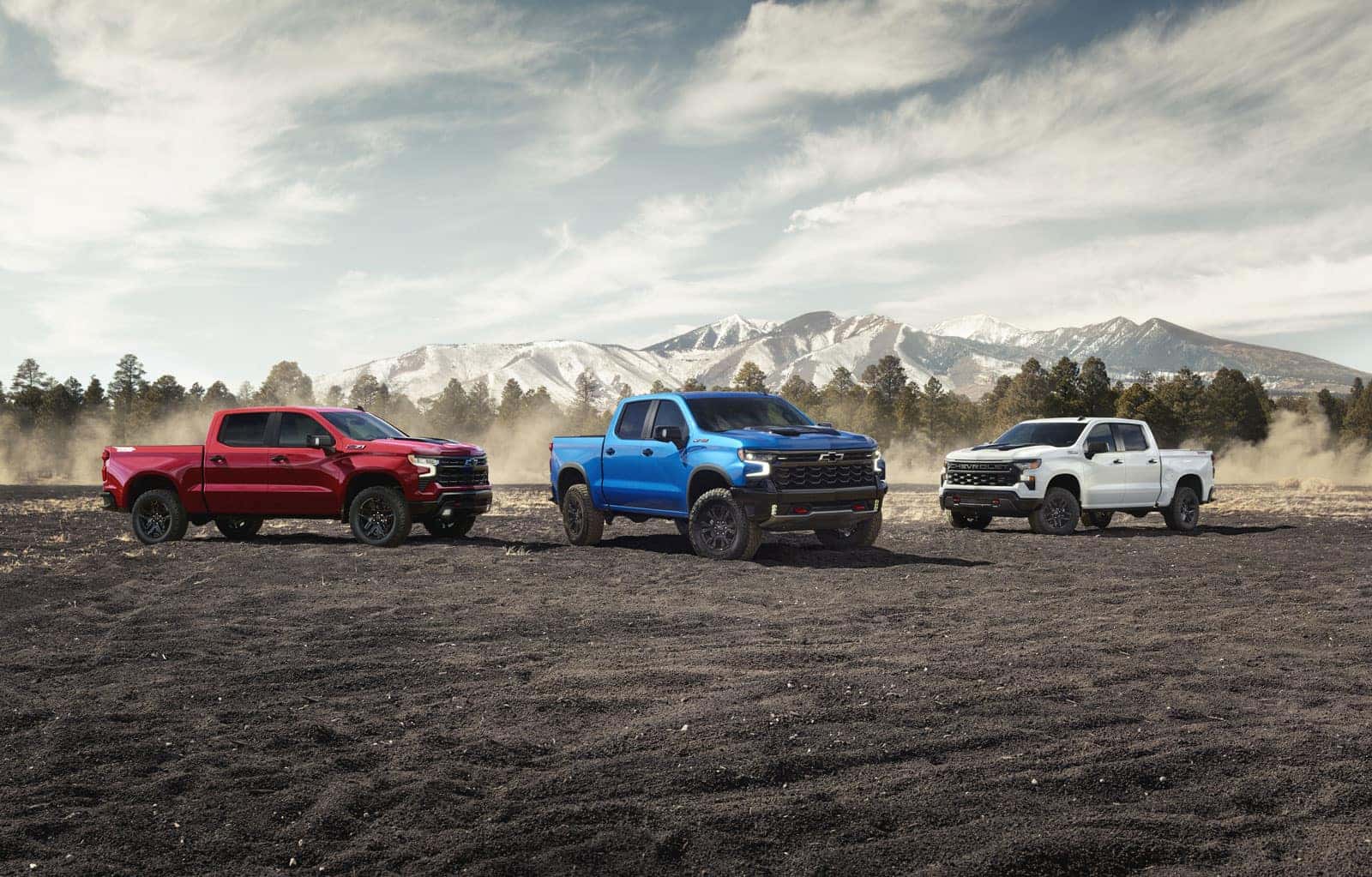
Example setups (practical, not theoretical)
| Use case | Best-fit Silverado idea | Best-fit F-150 idea | Decision tip |
|---|---|---|---|
| Weekly towing in the mountains | RST/LT/LTZ with 3.0L Duramax or 6.2L V8 + tow package | 3.5L EcoBoost + max tow-focused configuration | If you want torque + efficiency, lean diesel; if you’re chasing max tow number, spec EcoBoost max tow. |
| Contractor payload + materials | WT/LT with the right cab/bed to protect payload | XL/XLT or V8 builds optimized for payload | Payload label wins—choose the exact truck with the highest payload you can find. |
| Snow, trails, and weekend exploring | Custom Trail Boss or LT Trail Boss (off-road-ready stance) | Tremor (off-road hardware + daily comfort) | Choose by suspension/tires and how much comfort you want for Denver commuting. |
Cost, timing & expectations (what to plan for)
Pricing changes quickly by region, inventory, incentives, and equipment. Instead of guessing, plan your purchase like a build:
- Timing: If you need a specific engine + tow package combination, inventory may be tighter. If you’re flexible on color and wheels, you’ll usually find more options in Denver and Lakewood.
- Budget reality: Off-road trims, larger wheels/tires, and luxury packages can reduce payload and raise cost—decide what’s non-negotiable before you shop.
- Total ownership: If you drive high annual miles, the “most efficient truck” question matters more. That’s where the Silverado’s diesel option can pencil out.
- Expectations: A properly equipped half-ton can tow big numbers, but towing comfortably in Colorado often means leaving margin—especially for wind, grades, and gear.
If you’re comparing Silverado vs F150 mainly for towing, bring your trailer details when you visit: loaded weight estimate, hitch type, trailer length, and how many passengers you typically carry. That information turns “generic numbers” into a safe, correct configuration.
Why choose Chevrolet here (and what you should expect)
Buying a truck isn’t just picking a badge—it’s selecting a configuration and a support plan. Our Chevrolet approach in Denver and Lakewood is simple: we help you spec the truck to your real job, your real trailer, and your real Colorado driving.
Our process (built for transparency)
- Confirm the exact payload and towing equipment for the specific VIN you’re considering.
- Match engine, axle, and tow package to your trailer weight and usage pattern.
- Explain tradeoffs clearly (wheels/tires vs payload, off-road equipment vs towing, comfort packages vs weight).
- Support after the sale with service planning for how you actually use the truck.
If your priorities are “best towing,” “best diesel engine,” or “most efficient truck,” Chevrolet has a strong technical case—especially with the available Duramax option—while still offering V8 performance if that’s your preference. For many Denver and Lakewood buyers, that flexibility is the deciding factor when comparing Ford v Chevy.
FAQ: Silverado vs F150 (2026)
Which is better for towing in Colorado: 2026 Silverado or 2026 F-150?
Both can tow serious weight when properly equipped. The best answer depends on your configuration. If you want towing ease and efficiency for long grades and long drives around Denver and Lakewood, Silverado’s available 3.0L Duramax torque and highway efficiency are a strong fit. If you want the highest max tow number, certain F-150 3.5L EcoBoost builds can lead on paper.
What is the best diesel engine in a half-ton truck for 2026?
If you specifically want a diesel in a half-ton, the 2026 Silverado 1500’s available 3.0L Duramax is a standout because diesel options are rare in this segment. It’s built around towing-friendly torque and highway efficiency, which matters for Denver-to-mountains travel. Always confirm the exact configuration for towing and payload on the truck you’re buying.
Is payload or towing rating more important when comparing Silverado vs F150?
Payload is often the limiting factor in real life. A heavy trailer tongue weight, passengers, and bed cargo all count against payload. Many buyers focus on max towing and then discover they can’t legally or safely load the truck the way they planned. The door-jamb label on the exact VIN you’re buying is the most reliable source for payload.
Which is the most efficient truck: Silverado or F-150?
Efficiency depends heavily on engine choice and driving pattern. In general, buyers prioritizing “most efficient truck” for long highway miles often look at Silverado’s available diesel option or F-150’s hybrid option. For Denver and Lakewood commuting plus mountain trips, the best move is to pick the powertrain that fits your mileage, towing frequency, and winter use.
Which is the best truck for Denver weather and winter traction?
Winter capability is more about tires, 4×4 system, ground clearance, and stability features than brand. For Silverado, Trail Boss trims are popular for Colorado because of their off-road stance and hardware, while the F-150 Tremor targets a similar use case. If you commute daily in Denver snow, prioritize quality winter tires and a configuration with stable payload margin.
How do I compare trim levels between Silverado and F-150?
Match trims by intent, not by name. WT/XL are work-focused, LT/XLT are balanced daily drivers, LTZ/Lariat step into premium comfort, and High Country/Platinum-style trims target top-tier luxury. For off-road, compare Silverado Trail Boss and ZR2 against F-150 Tremor and Raptor families. Then validate which trim gives you the engine and tow package you need.
Does a bigger engine automatically mean better towing?
Not always. Towing performance depends on torque delivery, gearing, axle ratio, cooling, and tow package equipment. A smaller turbo engine can feel strong if it produces torque early and is paired with the right gearing. For best towing confidence around Denver and Lakewood, spec the full towing system—brake controller, hitch equipment, and stability features—rather than chasing displacement alone.
What should I bring to a dealership visit to decide faster?
Bring your trailer’s loaded weight estimate, hitch type, and typical passenger/cargo load. If you’re upgrading, bring details about your current truck’s towing and what you wish it did better. That information makes the Silverado vs F150 comparison concrete and helps confirm payload and tow capability on the exact trucks you’re considering in Denver and Lakewood.
Key Takeaways & next steps
- For Colorado towing feel and highway efficiency, Silverado’s available diesel option is a major differentiator.
- Max tow numbers require specific configurations; don’t compare without matching cab/bed/axle and tow packages.
- Payload is the most common real-world limiter—confirm the door label on the exact VIN you’re buying.
- Pick the engine first based on your pattern (towing frequency, mileage, grades), then pick the trim for comfort and features.
- For Denver and Lakewood winters, tires and configuration matter more than brand—buy the hardware you’ll use.
- If you’re torn, compare two specific builds (not two marketing pages) and let the numbers decide.
Want the cleanest possible comparison? Choose two specific trucks—one Silverado build and one F-150 build—then compare payload label, tow package, axle ratio, tire size, and engine. That’s where the “best truck” answer becomes obvious for your Denver and Lakewood driving.