

Winter Driving Your Chevy in Colorado: Preparation and Tips
Last updated: July 25, 2026
Winter Driving Your Chevy in Colorado: Preparation, Tips, and Service Guide
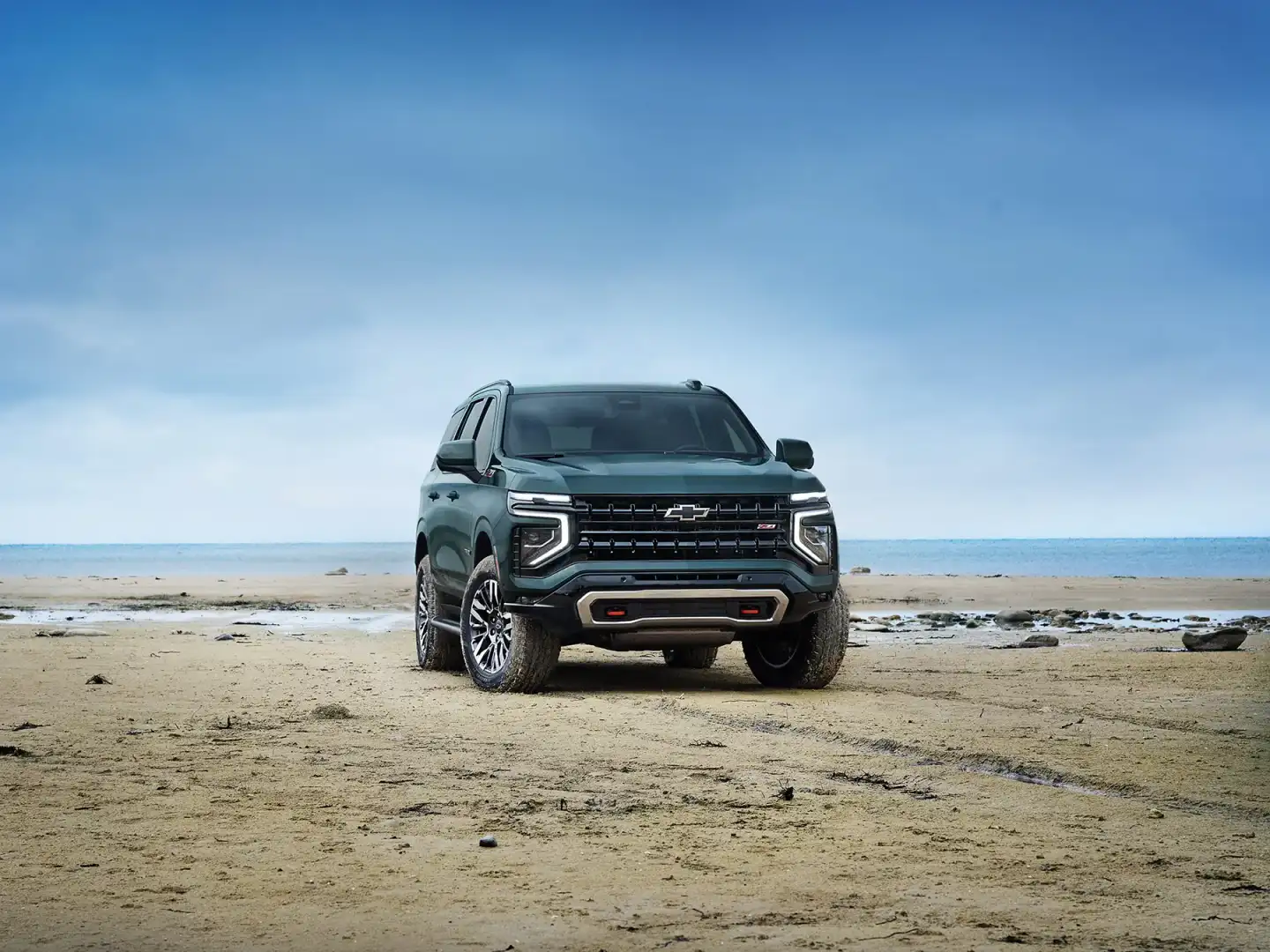
Colorado winters demand more from your vehicle than almost any other state. Between I-70 mountain corridor drives, sudden Front Range blizzards, and the Traction Law requiring adequate tires or chains on certain highways, being prepared is not optional—it is a safety requirement. Chevrolet builds some of the most capable winter vehicles on the road, from the Tahoe’s available 4WD to the Colorado ZR2’s off-road suspension, and proper preparation ensures they perform at their best when conditions get tough.
This guide covers everything Denver-area Chevy owners need to know about winterizing their vehicle, choosing the right tires, understanding Colorado’s traction laws, and scheduling seasonal service at Emich Chevrolet.
Quick Answer
Preparing your Chevy for Colorado winters means installing dedicated snow tires (or M+S rated all-seasons at minimum), checking your battery, coolant, and brakes before temperatures drop, and understanding Colorado’s Traction Law and Chain Law requirements for I-70 and mountain passes. Schedule a winter service appointment at Emich Chevrolet to get your vehicle inspected and ready.
Schedule Winter Service at Emich Chevrolet
Get your Chevy winter-ready with a seasonal inspection in Denver.
Snow Tires vs All-Season Tires for Colorado
Tires are the single most important factor in winter driving safety. Colorado’s Traction Law (Code 15) requires vehicles on I-70 and other designated highways to have either snow tires (marked with the three-peak mountain snowflake symbol), M+S rated tires with adequate tread, or chains/alternative traction devices during winter conditions.
For Denver-area Chevy owners who regularly drive to ski resorts or through mountain passes, dedicated snow tires provide the best combination of grip and safety. Drivers who stay mostly on the Front Range can get by with quality all-season tires that carry at least the M+S rating and maintain at least 3/16-inch tread depth.
AWD and 4WD: Your Chevy’s Winter Advantage
Many Chevrolet models offer AWD or 4WD systems that significantly improve winter traction. The Tahoe, Suburban, and Silverado offer selectable 4WD with 2-speed transfer cases, letting you choose between 4-High for slippery highway driving and 4-Low for deep snow or steep grades. The Traverse and Equinox offer AWD systems that automatically engage when wheel slip is detected.
Important: AWD and 4WD improve your ability to accelerate on slippery surfaces, but they do not improve your ability to stop or steer. That is entirely a function of your tires. Even with four-wheel drive, proper winter tires make a dramatic difference in braking distances and cornering control on snow and ice.
Winter Preparation Checklist for Your Chevy
Battery: Cold temperatures reduce battery capacity. A battery that barely starts your engine at 70°F may fail completely at 10°F. Have your battery tested before November—Emich Chevrolet performs complimentary battery checks during service visits.
Coolant: Your engine coolant (antifreeze) should be rated to at least −30°F. Colorado Front Range temperatures can drop below zero during cold snaps, and mountain areas regularly see −20°F or colder.
Brakes: Worn brake pads and rotors are more dangerous in winter when stopping distances increase. Have your brakes inspected before the season and replace pads if they are below 4mm of material.
Wiper blades and fluid: Switch to winter-rated wiper blades and use washer fluid rated to −20°F or lower. Standard washer fluid can freeze on contact with your windshield in Colorado winter conditions, creating a dangerous visibility situation.
Emergency kit: Keep a blanket, flashlight, phone charger, small shovel, ice scraper, jumper cables, and a bag of sand or kitty litter in your vehicle. On I-70, traffic stoppages during storms can last hours.
Colorado Traction Law and Chain Law Explained
Colorado enforces two winter driving laws that every driver should understand:
Traction Law (Code 15): Requires vehicles to have either snow tires, tires with the M+S designation and at least 3/16-inch tread, chains, or an alternative traction device (like AutoSocks). AWD and 4WD vehicles with adequate tires are compliant. Fines start at $130 for non-compliance and increase to $650 or more if you block the road.
Chain Law (Code 16): Requires chains or alternative traction devices on all vehicles except those with 4WD/AWD and snow tires. This is activated during severe conditions on specific highway segments, typically I-70 between Morrison and the Eisenhower Tunnel.
Most Chevrolet trucks and SUVs with 4WD and proper tires meet Traction Law requirements. During Chain Law conditions, 4WD Chevrolets with snow tires are exempt from chain requirements.
Winter Tips for Chevy EV Owners
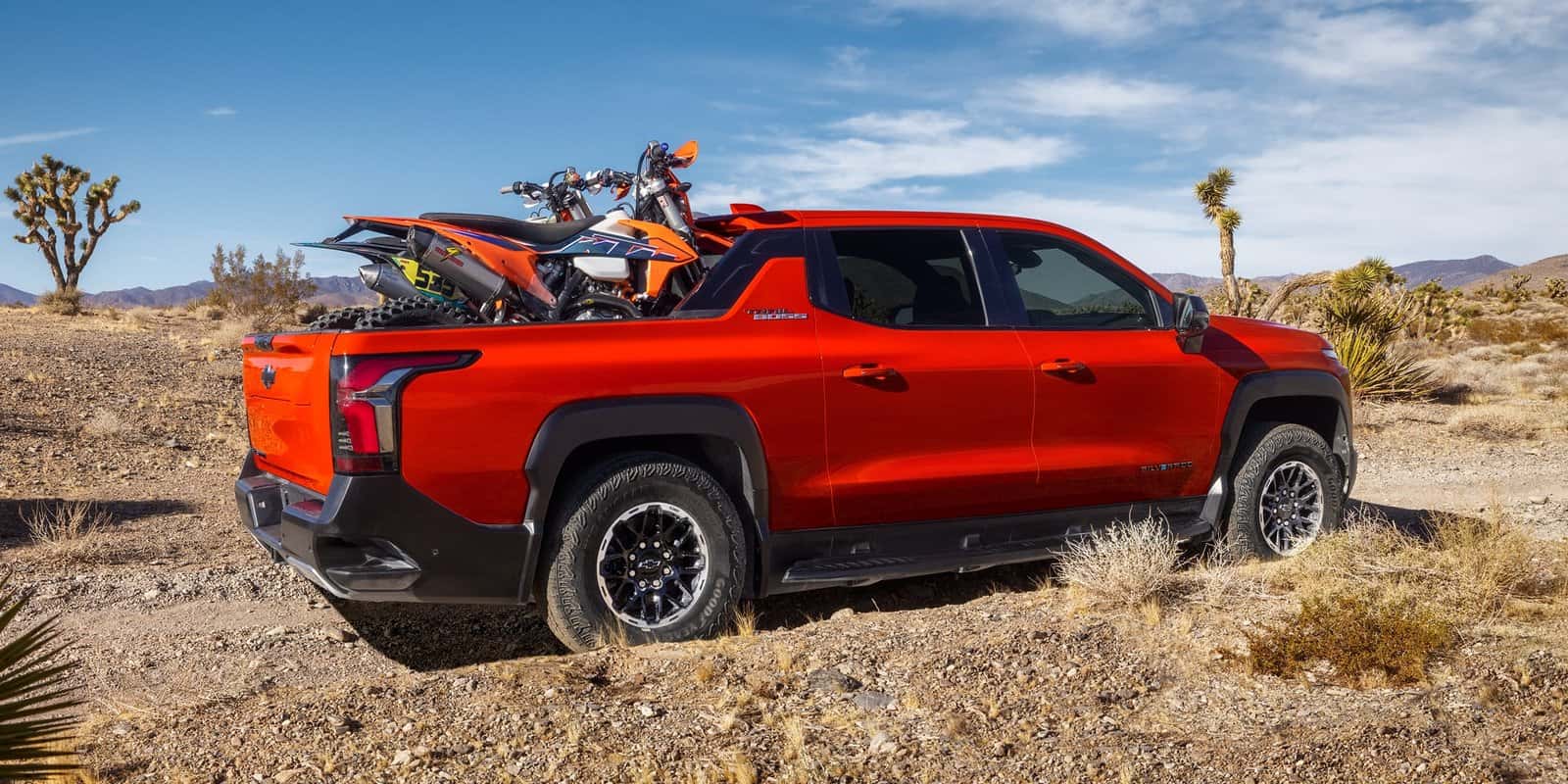
If you drive an Equinox EV, Blazer EV, or Silverado EV in Colorado, cold weather affects your battery range. Expect 20–30% less range in freezing temperatures due to battery chemistry and cabin heating demands. To maximize winter range, precondition your vehicle while it is still plugged in (this warms the battery and cabin using grid power), use heated seats and steering wheel instead of the cabin heater when possible, and keep the vehicle garaged overnight to maintain battery temperature.
Winter Service at Emich Chevrolet Denver
Emich Chevrolet on South Broadway in Denver offers comprehensive winter preparation services including tire installation and storage, battery testing, brake inspection, fluid checks, and multi-point winter inspections. Our certified technicians know Colorado winter conditions and can recommend the right tires and maintenance for your specific Chevy model. We serve Denver, Lakewood, Littleton, Highlands Ranch, and the entire Colorado Front Range.
Frequently Asked Questions: Winter Driving Chevy in Colorado
Do I need snow tires in Denver?
Snow tires are not legally required in Denver city limits, but they are highly recommended. If you drive I-70 or mountain passes, the Traction Law requires snow tires, M+S rated tires with adequate tread, or chains during winter conditions.
Is AWD enough for Colorado winters?
AWD improves traction when accelerating but does not help with braking or steering. Proper tires are more important than drivetrain type. AWD with snow tires is the ideal combination for Colorado winters.
Which Chevy models have 4WD?
The Tahoe, Suburban, Silverado 1500, Colorado, and Silverado HD all offer 4WD. The Traverse, Equinox, Trax, and Blazer offer AWD. Both systems improve winter traction.
When should I put on snow tires in Colorado?
Install snow tires by late October or early November. Colorado can see significant snowfall as early as October on the Front Range, and mountain areas often get snow in September.
How does cold weather affect my Chevy EV?
Expect 20–30% less range in freezing temperatures. Precondition your EV while plugged in, use heated seats over the cabin heater, and keep the vehicle garaged overnight to help preserve range.
What is the fine for violating Colorado’s Traction Law?
Fines start at $130 and increase to $650 or more if your vehicle causes a road closure or accident due to inadequate traction equipment.
Does Emich Chevrolet offer tire storage?
Contact our service department about seasonal tire swap and storage options. We can install your snow tires in the fall and swap back to all-seasons in the spring.
Where can I get winter service for my Chevy in Denver?
Emich Chevrolet on South Broadway in Denver offers comprehensive winter preparation services including tire installation, battery testing, brake inspection, and fluid checks.
Key Takeaways: Winter Driving Your Chevy in Colorado
- Tires are everything—snow tires or quality M+S all-seasons with 3/16″ tread minimum.
- Colorado’s Traction Law requires proper tires or chains on I-70 and mountain highways.
- AWD/4WD helps with acceleration but does not improve braking—tires do.
- Test your battery before November—cold kills weak batteries.
- EV owners should expect 20–30% less range in freezing temperatures.
- Keep an emergency kit in your vehicle—I-70 storm delays can last hours.
Service area: Denver, Lakewood, Littleton, Highlands Ranch, and the Colorado Front Range
Schedule Winter Service at Emich Chevrolet
Get your Chevy winter-ready with a seasonal inspection in Denver.
0 comment(s) so far on Winter Driving Your Chevy in Colorado: Preparation and Tips