

Chevy Blazer vs Blazer EV: Gas or Electric?
See Both Blazers at Emich Chevrolet
Gas or electric — compare the 2026 Blazer lineup side by side at our Lakewood showroom.
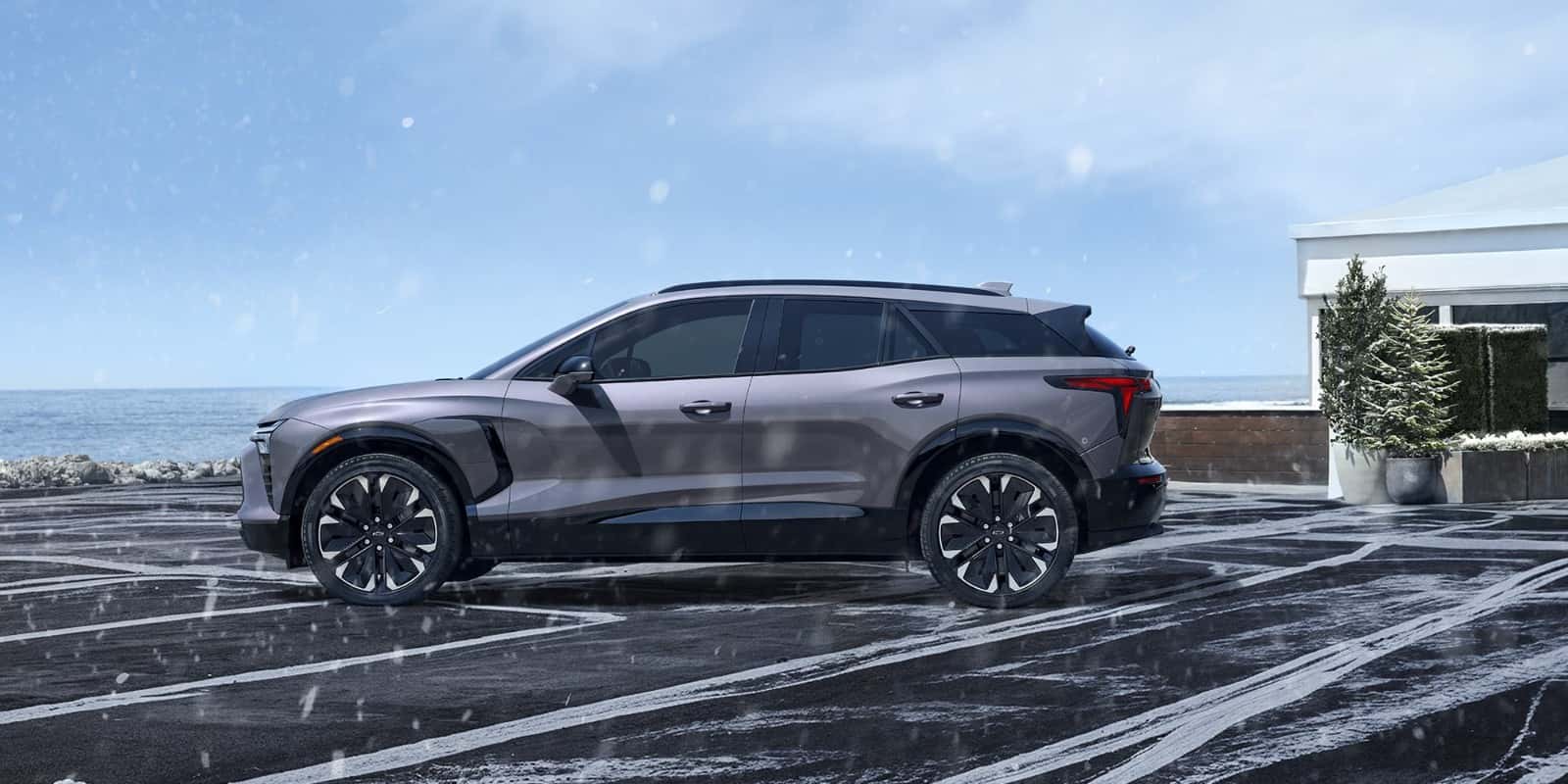
Chevrolet sells two vehicles called “Blazer” — and they’re more different than the shared name suggests. The 2026 Chevrolet Blazer is a gas-powered midsize SUV with an available V6 and up to 4,500 pounds of towing capacity. The 2026 Chevrolet Blazer EV is a fully electric SUV on GM’s Ultium platform, delivering up to 312 miles of range and up to 615 horsepower in the SS trim.
This guide clarifies exactly what each model offers, who each one is built for, and how the cost of ownership compares over five years for Denver-area drivers.
Platform and Powertrain: Fundamentally Different
The gas Blazer and Blazer EV share exterior styling cues but are built on entirely different architectures. Understanding this distinction is the key to choosing between them.
| Specification | Blazer (Gas) | Blazer EV |
|---|---|---|
| Platform | C1XX (ICE) | Ultium (BEV) |
| Power Source | Gasoline | Electric (battery) |
| Engine / Motor | 2.0L Turbo I-4 or 3.6L V6 | Single or dual electric motors |
| Horsepower Range | 228–308 hp | 220–615 hp |
| Starting MSRP | ~$38,000 | $44,700 |
| Towing Capacity | Up to 4,500 lbs | Not rated for towing |
| Range / Fuel | ~400 mi per tank | Up to 312 mi (EPA) |
| Transmission | 9-speed automatic | Single-speed direct drive |
| Trims | 2LT, 3LT, RS | LT, RS, SS |
Who Should Choose the Gas Blazer
The gas-powered Blazer is the right choice if you need towing capability, want access to the lowest entry price, or prefer the simplicity of gas-station refueling — especially for longer road trips across Colorado and neighboring states where charging infrastructure thins out.
The V6-equipped RS AWD is particularly well-suited for Denver-area drivers who regularly tow a boat, trailer, or recreational equipment. At 4,500 pounds of towing capacity, the gas Blazer outperforms the Blazer EV in this category entirely — the EV is not rated for towing.
For a deeper look at trims, specs, and pricing, read our full 2026 Chevy Blazer Denver Guide.
Who Should Choose the Blazer EV
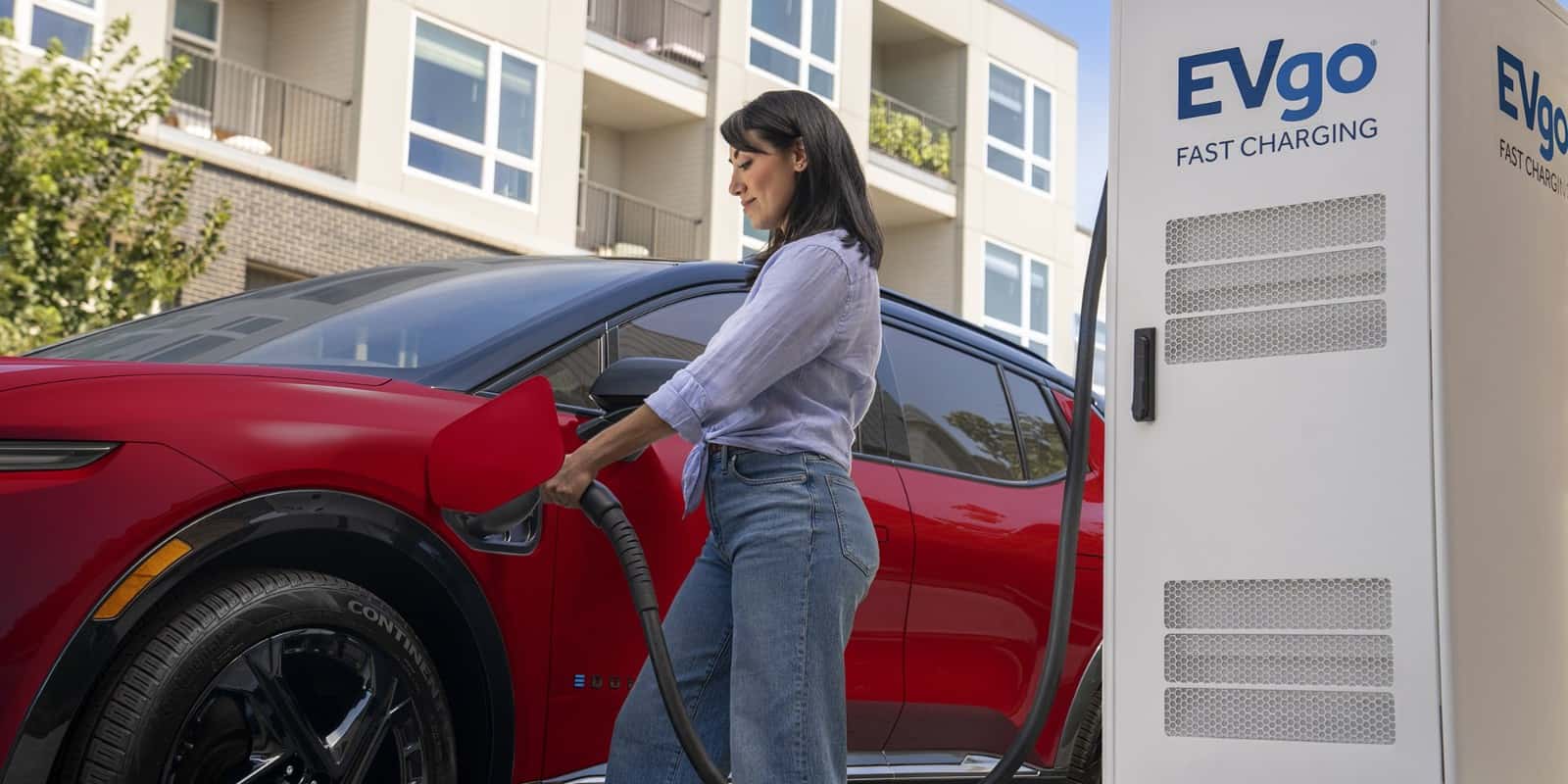
The Blazer EV makes sense for drivers who want instant electric torque, lower running costs, and access to Colorado and federal EV tax credits. It’s ideal for commuters and families who drive primarily within the Front Range — where home charging covers daily needs and the DC fast-charging network handles occasional longer trips.
The Blazer EV SS, with its 615 horsepower and 650 lb-ft of torque, is the performance flagship of the entire Blazer lineup. It accelerates faster than any gas-powered Chevy SUV ever built, while the standard LT and RS trims deliver smooth, quiet daily driving with up to 312 miles of range.
Tax Credit Advantage
The Blazer EV may qualify for the federal clean vehicle credit (up to $7,500) and Colorado’s state EV incentive. After incentives, the effective price of a Blazer EV LT can approach the gas Blazer’s pre-incentive starting price — narrowing the gap considerably. Check current eligibility at the time of purchase.
Cost of Ownership: Five-Year Comparison
The gas Blazer wins on purchase price and refueling convenience. The Blazer EV wins on fuel costs, maintenance, and potential tax credits. Over five years, the total cost of ownership equation depends on your driving patterns.
| Cost Factor | Blazer (Gas V6 AWD) | Blazer EV (LT FWD) |
|---|---|---|
| Starting MSRP | ~$46,500 | $44,700 |
| Potential Tax Credits | None | Up to ~$10,000 |
| Annual Fuel Cost (12K mi) | ~$2,200 | ~$600 |
| Maintenance (5 yr est.) | Oil, filters, brakes, trans | Tires, cabin filter, coolant |
| Towing | Up to 4,500 lbs | Not rated |
Blazer EV Trim Breakdown
| Blazer EV Trim | HP | Range | MSRP |
|---|---|---|---|
| LT FWD | 220 hp | 312 mi | $44,700 |
| LT AWD | 300 hp | 283 mi | $47,700 |
| RS FWD | 220 hp | 312 mi | $50,500 |
| RS AWD | 300 hp | 283 mi | $53,500 |
| SS AWD | 615 hp | 303 mi | $60,700 |
Frequently Asked Questions
Are the Blazer and Blazer EV the same vehicle?
No. They share the Blazer name and some exterior styling, but they’re built on completely different platforms. The gas Blazer uses a traditional internal combustion architecture; the Blazer EV uses GM’s Ultium electric platform.
Can the Blazer EV tow?
The Blazer EV is not officially rated for towing. If towing is important to you, the gas Blazer with the V6 offers up to 4,500 pounds of capacity.
Which Blazer is cheaper after incentives?
The Blazer EV may qualify for up to $7,500 in federal credits plus Colorado state incentives. After incentives, the Blazer EV LT’s effective price can approach or even undercut the gas Blazer 2LT — while also offering lower fuel and maintenance costs.
Which is faster — the Blazer V6 or the Blazer EV SS?
The Blazer EV SS with 615 horsepower is dramatically faster. Its instant electric torque delivery and dual-motor AWD system outperform the gas V6’s 308 horsepower in every acceleration metric.
Key Takeaways
- The Blazer (gas) and Blazer EV share a name but are fundamentally different vehicles on different platforms
- Choose the gas Blazer if you need towing (up to 4,500 lbs), want the lowest entry price, or prefer gas-station convenience
- Choose the Blazer EV for lower running costs, instant torque, and access to federal and Colorado EV tax credits
- The Blazer EV SS (615 hp) is the performance king; the gas Blazer V6 RS (308 hp) is the towing champion
- After incentives, the Blazer EV’s effective price can rival the gas Blazer — with significantly lower fuel and maintenance costs
Compare Both Blazers at Emich Chevrolet
Visit our Lakewood showroom to see the gas Blazer and Blazer EV side by side — and decide which fits your lifestyle.
0 comment(s) so far on Chevy Blazer vs Blazer EV: Gas or Electric?